
Diabetics face unique challenges for foot care, with a simple cut or blister potentially spiraling into severe infections. The summer months, with their increased activity and heat, require special attention to foot health. This guide offers a comprehensive, expert-backed approach to diabetic foot care tips, focusing on footwear, hygiene, and management strategies. We'll explore how to navigate the risks, from preventing nerve damage to choosing the right shoes, ensuring your feet stay healthy and comfortable through the warmer months. By implementing these tips, you can take control of your foot care and enjoy summer with confidence.
- Choosing Summer Shoes for Diabetic Feet
- Diabetic Foot Care: Tips for Healthy Summer
- Preventing Summer Foot Complications in Diabetes
Choosing Summer Shoes for Diabetic Feet
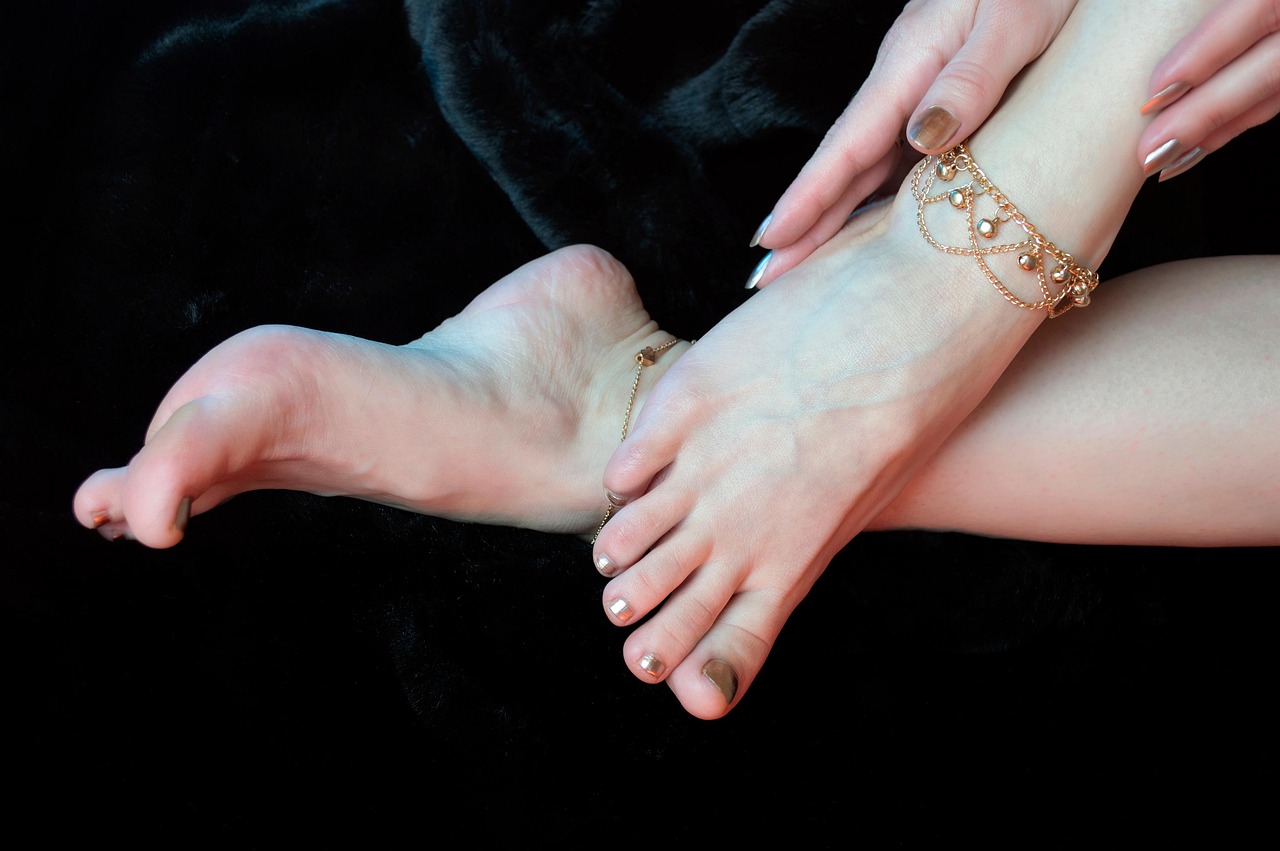
Summer footwear is a crucial aspect of diabetic foot care tips, especially when navigating the warmer months. For diabetics, choosing the right shoes can be a delicate balance between comfort, support, and preventing complications. This guide will help you navigate the summer shoe landscape, ensuring your feet stay healthy and happy.
When selecting summer shoes, consider the unique challenges diabetes presents. Diabetic patients are at a higher risk of nerve damage, foot ulcers, and infections, making proper foot care essential. Start by examining the shoe's construction: look for well-cushioned midsoles and supportive footbeds that conform to the shape of your foot. Orthotic inserts are another valuable addition, offering customized support and reducing pressure points. Breathability is key; opt for shoes made from lightweight, breathable materials that allow air circulation, preventing excessive sweating and associated skin issues.
A common misconception is that all summer shoes are equal in their benefits for diabetics. Many believe that expensive brands are the only option for quality foot care. However, this is not entirely true. While investing in high-quality shoes is beneficial, there are numerous affordable options that meet diabetic foot care standards. Some brands specialize in athletic shoes with advanced cushioning systems and flexible materials, ideal for those who stay active. Always conduct a thorough inspection during the buying process, checking for proper fit, lack of seams that could irritate skin, and adequate room for toes to move. Regularly checking your feet for any red flags during this process is a vital part of your daily foot inspection routine.
Understanding how to treat diabetic foot infections is crucial in preventing complications. Diabetic foot infections can range from minor skin irritations to severe ulcerations. Proper footwear plays a preventative role by reducing friction and pressure, common causes of these infections. If you notice any signs of infection, such as redness, swelling, or warmth, seek medical attention promptly. Remember, managing diabetes goes beyond blood sugar control; it involves a holistic approach, including mindful shoe choices. By incorporating these tips for daily foot inspection and considering the unique needs of your feet, you can actively contribute to your diabetic foot care regimen.
Diabetic Foot Care: Tips for Healthy Summer

Summer can be a challenging time for diabetics, as the heat and sun can exacerbate foot problems. Diabetic foot care tips are essential to maintaining foot health and preventing severe complications. When should you see a doctor for diabetic feet? Look out for diabetic foot symptoms like increased pain, redness, swelling, or changes in temperature. These signs could indicate a serious issue, especially if you have nerve damage, a common complication in diabetes.
Young diabetics require special consideration. Their feet grow and develop throughout adolescence, making it crucial to monitor foot hygiene and ensure proper footwear fit. Educating children on foot care and the importance of regular check-ups can prevent future problems. If you notice any unusual calluses, cracks, or blisters, it's time to consult a healthcare professional. They can provide guidance on managing and treating these conditions, which might include advanced therapies like debridement or antimicrobials.
Government assistance for diabetic foot care can help alleviate the financial burden of treatment. Many programs offer support for specific foot care products and services, ensuring diabetics have access to the care they need. The latest advancements in diabetic foot treatment include innovative therapies like custom insoles and podiatry services that focus on nerve regeneration. These developments offer new hope for managing and healing foot ulcers.
Diabetic foot pain can be a daily challenge, but simple exercises and regular foot inspections can make a significant difference. Daily checks for diabetic feet should include examining your shoes for wear and tear, checking for any foreign objects, and inspecting your feet for cuts, blisters, or signs of infection. Remember, preventing is always better than treating. By following these tips and staying vigilant, you can keep your feet healthy and happy all summer long. Visit us at diabetic foot care products anytime for more tailored guidance and resources.
Preventing Summer Foot Complications in Diabetes

Summer can be a challenging time for diabetics, especially for foot care. High temperatures and increased physical activity can exacerbate foot problems, leading to complications if proper tips are not followed. This section examines preventing summer foot complications, focusing on strategies that go beyond basic hygiene.
The long-term effects of high blood sugar on feet can be severe, often resulting in nerve damage and reduced circulation. This increases the risk of developing diabetic foot ulcers, which, if left untreated, can lead to infections and, ultimately, amputation. However, with proactive measures, these risks can be mitigated. One effective approach is to incorporate natural remedies for diabetic foot ulcer prevention into your daily routine. Regular foot massagens with specialized oils have been shown to improve circulation and promote healing. Maintaining optimal blood sugar levels is crucial; consistent monitoring and adjustments in diet and medication can significantly reduce the risk of foot-related complications.
Creating a routine for better foot health is paramount. This involves consistent daily checks for any signs of trouble, such as cuts, blisters, or changes in color or temperature. Simple stretches and exercises can improve foot flexibility and circulation, while keeping your feet clean and dry with proper hygiene practices is essential. Remember, tips are not one-size-fits-all; individual needs vary, so consulting a podiatrist for personalized advice is invaluable. Improving circulation naturally for diabetics, especially in children, requires a holistic approach that includes regular physical activity, a balanced diet, and specific foot care products designed to support healthy blood flow.
Long-term management involves setting personal health goals and adhering to a structured routine. This might include daily foot inspections, specialized footwear with orthotics, and specific exercises to maintain balance and prevent calluses. By integrating these practices into your summer routine, you can significantly reduce the risk of developing severe foot complications and enjoy the season with greater confidence and comfort.
Summers bring unique challenges for diabetics, especially for foot care. By following expert tips, you can ensure comfortable and safe walks through the warm months ahead. The key lies in choosing the right footwear, maintaining rigorous hygiene, and adopting a proactive approach to prevent complications. This guide has highlighted the importance of breathable shoes, daily foot inspections, and managing circulation. Regularly checking for signs of nerve damage, keeping feet clean and dry, and engaging in gentle exercises can significantly reduce the risk of severe issues.
Understanding the connection between diabetes and foot health has empowered you to make informed decisions. From managing blood sugar levels to considering special foot care products, every step counts. Remember, early intervention and consistent tips are crucial for maintaining foot health and preventing amputations. With this knowledge, you're well-equipped to take charge of your diabetic foot care routine and enjoy the summer with confidence.
References
- Machine shop - Wikipedia — en.wikipedia.org
- Machine shop | Department of Mechanical Engineering | Virginia... — me.vt.edu