
Diabetic sores, or foot ulcers, are a devastating complication for people living with diabetes. These open wounds, often caused by poor blood flow and nerve damage, can lead to severe infections, amputation, and even death. Preventing these sores is not only crucial for maintaining foot health but also for preserving mobility and independence. This article provides expert-backed, practical diabetic foot care tips to help you manage your condition and avoid these devastating complications. From daily hygiene and footwear choices to advanced management techniques and lifestyle adjustments, we'll guide you through every step to keep your feet healthy and strong.
- Understanding Diabetic Sores and Foot Risks
- Diabetic Foot Care Tips: Daily Practices
- Long-Term Management and Prevention Strategies
Understanding Diabetic Sores and Foot Risks
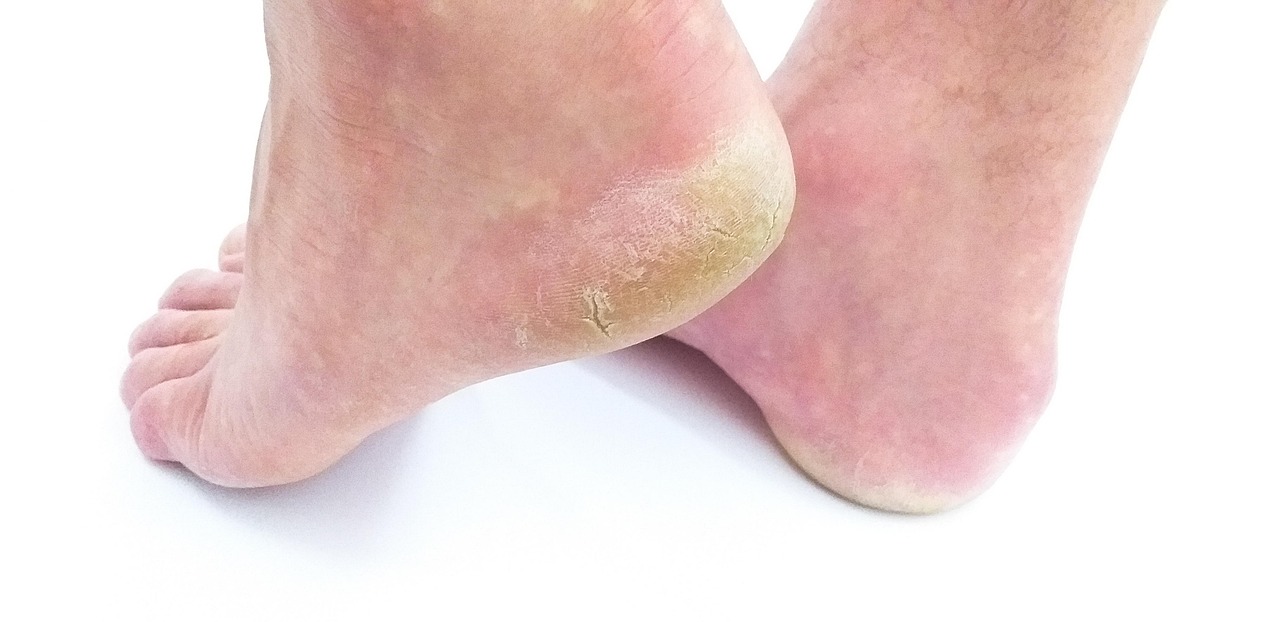
Diabetic sores, also known as diabetic foot ulcers, are a serious complication for individuals living with diabetes. These sores develop due to a combination of factors, including poor blood circulation, nerve damage, and impaired immune function. They can range from small wounds to deep, infected ulcers, posing significant risks if left untreated. Understanding the causes and early signs is crucial in the fight against diabetic foot care.
Diabetic foot care during pregnancy requires heightened vigilance. Expectant mothers with diabetes face a higher risk of developing these sores due to hormonal changes and increased strain on the feet. Red flags include persistent pain, tingling, or numbness in the feet and legs, as well as visual signs of sores or discoloration. Promptly addressing these issues is essential to prevent further complications. The key to effective management lies in maintaining healthy blood sugar levels, regular foot inspections, and specialized diabetic foot care. Unlike regular foot care, diabetic foot care vs regular foot care has distinct challenges, such as the need for specialized footwear and continuous monitoring.
Weight loss matters in managing and reducing the risk of diabetic foot ulcers. By losing excess weight, individuals can improve blood circulation, alleviate pressure on feet, and reduce nerve damage. This natural approach, combined with proper diabetic foot care tips, can significantly decrease the likelihood of developing sores. A balanced diet rich in antioxidants, vitamins, and minerals, along with regular exercise, supports overall foot health. When considering long-term management, it's crucial to consult with healthcare professionals who can guide personalized strategies, especially for elderly diabetics whose feet may require extra care and attention. Managing feet for elderly diabetics involves a tailored approach to address age-related changes and ensure optimal foot health.
Diabetic Foot Care Tips: Daily Practices

Tips for daily practice are a crucial component of managing the condition and preventing severe complications, such as sores and ulcers. A simple routine involving regular handwashing and foot hygiene can significantly reduce the risk of infections. Ensure your hands are clean before touching your feet, and maintain good foot hygiene by keeping your skin dry and using moisture-wicking socks to prevent friction and irritation.
Creating a routine for better foot health involves consistent daily checks. Inspect your feet for any cuts, blisters, redness, or swelling. Look for signs of nerve damage, like tingling or numbness, which can increase the risk of sores developing. If you notice any abnormalities, consult a healthcare professional or podiatrist immediately. Managing feet for elderly diabetics requires extra attention, as age-related changes can impact foot health. Regularly elevating the feet and improving circulation through gentle exercises can help maintain foot health and flexibility.
To conventional practices, innovative therapies for ulcers, such as advanced wound care and antimicrobial treatments, play a significant role in diabetic foot care. Regularly visiting a podiatrist for professional foot care is also recommended. They can provide personalized advice on footwear, orthotics, and managing foot alignment. Dietary adjustments, as discussed in our article on dietary tips for diabetic foot prevention, can help maintain optimal foot health. Incorporating antioxidants and vitamins into your diet can support overall foot health and circulation.
Long-Term Management and Prevention Strategies
Diabetic sores, or diabetic foot ulcers, are a serious complication that can significantly impact a person's quality of life. While regular foot care and meticulous blood sugar management are crucial in preventing these sores, effective long-term strategies are essential for managing existing ulcers and reducing the risk of recurrence. This involves a multi-faceted approach that addresses both the underlying causes and the specific symptoms.
One key component of tips is improving circulation naturally for diabetics. This can be achieved through a combination of regular exercise, maintaining a healthy weight, and choosing the best shoes for diabetic feet men diabetic foot pain relief. Footwear designed for diabetes should offer ample room for toe movement, be made from breathable materials, and have a sturdy, non-slip sole. Incorporating exercises that promote blood flow, such as walking, swimming, or cycling, can also be beneficial. innovative therapies for ulcers, like advanced wound care products and growth factor treatments, are being explored to enhance healing and prevent infection.
For those managing existing ulcers, a meticulous diabetic foot care routine is paramount. This includes daily inspections to monitor the ulcer's size, depth, and any signs of infection. Cleaning and dressing changes should be performed gently but thoroughly, following the guidance of a healthcare provider. Offloading pressure from the affected area, often through the use of special shoes or insoles, is also crucial for accelerating healing and preventing further damage. red flags for diabetic foot issues, such as increased pain, redness, swelling, or discharge, should be addressed immediately by a healthcare professional.
Pregnancy complicates diabetic foot care, as increased hormones can affect blood flow and nerve sensation. Diabetic foot care during pregnancy requires close monitoring by both the patient and their healthcare provider, with particular attention to any changes in the feet or legs. Regular exercise, proper footwear, and maintaining a healthy weight are especially vital during this time. Understanding the risk factors for complications associated with diabetes and taking proactive measures can significantly reduce the likelihood of developing severe diabetic foot problems.
Frequently Asked Questions About Preventing Diabetic Sores
What are diabetic sores? Diabetic sores, or diabetic foot ulcers, are open wounds that develop on the feet or ankles of people with diabetes. They are often caused by a combination of factors, including poor blood flow, nerve damage, and increased pressure on the feet. The most common areas affected are the bottom of the feet, between the toes, and on the tips of the toes.
How do I know if I have a diabetic sore? Diabetic sores can be difficult to identify, especially if you have peripheral neuropathy, a common complication of diabetes that causes nerve damage. Look for signs such as a red patch on the skin, a small wound, or a callus that has become painful, swollen, or infected. If you notice any of these symptoms, especially if you have diabetes, it's crucial to see a healthcare provider immediately.
What increases the risk of developing diabetic sores? Several factors contribute to the risk of diabetic sores. These include poor circulation, which reduces blood flow to the feet; nerve damage (peripheral neuropathy) that impairs pain sensation; foot deformities like bunions or hammertoes; poor foot hygiene; tight shoes; and prolonged standing or walking. Regularly managing your diabetes, maintaining good foot care, and addressing any underlying issues are essential to reducing risk.
How can I prevent diabetic sores? Preventing diabetic sores involves a multi-faceted approach. Regularly inspect your feet for any signs of damage or irritation, especially after activities that increase pressure on your feet. Wear well-fitting, comfortable shoes that provide adequate support and cushioning. Maintain good foot hygiene, including trimming nails carefully and keeping your feet clean. Exercise regularly to improve blood flow and strengthen foot muscles. Manage your diabetes, keeping blood sugar levels within a healthy range.
What should I do if I notice a diabetic sore? If you discover a diabetic sore, it's important to take action immediately. First, clean the wound gently with water and mild soap. Avoid using alcohol or other harsh cleansers. Apply an antibiotic cream and cover the sore with a sterile bandage. Elevate your foot and rest it as much as possible. Contact your healthcare provider for further instructions and to ensure proper treatment and management.
By embracing a holistic approach to tips, from daily hygiene and footwear choices to advanced management and lifestyle adjustments, individuals with diabetes can significantly reduce the risk of developing painful and potentially life-threatening sores. This article has underscored the importance of proactive measures, such as regular foot inspections, proper foot hygiene, balanced nutrition, and tailored footwear, in mitigating the long-term effects of high blood sugar on foot health.
Moving forward, implementing the strategies discussed-including setting a daily foot care routine, choosing suitable footwear with orthotics, and engaging in targeted exercises to improve foot flexibility-can empower individuals to take control of their foot health. Staying informed about the latest advancements in diabetic foot treatment, staying vigilant for red flags, and seeking professional podiatry care when necessary, can ensure timely intervention and prevent severe complications.
Integrating these tips into daily life not only promotes foot health but also contributes to overall well-being, underscoring the vital role foot care plays in managing diabetes.
References
- Líder - Wikipedia — en.wikipedia.org