
Diabetes is a global health concern, and its impact on foot health cannot be overstated. The WHO estimates that nearly 1 in 10 adults worldwide have diabetes, a figure expected to rise. This growth presents a significant challenge in managing a condition that often leads to severe complications, particularly in the feet. The simple truth is, proper diabetic foot care tips are essential to prevent and manage these issues. Foot massage, an ancient practice, offers a natural, therapeutic solution that can aid in blood circulation, nerve regeneration, and overall foot health for diabetics. This article explores how regular foot massage, coupled with other essential diabetic foot care tips, can significantly reduce the risk of severe complications and improve quality of life for those living with diabetes.
- Understanding Diabetic Foot Problems and Their Impact
- Natural Foot Massage Techniques for Diabetes Relief
- Comprehensive Diabetic Foot Care: Prevention and Treatment
Understanding Diabetic Foot Problems and Their Impact

Diabetic foot problems represent a serious and often overlooked complication of the disease, with potentially devastating consequences if left unaddressed. The impact of diabetes on the feet is multifaceted, affecting not just the physical structure but also the sensation and circulation. This leads to a unique set of challenges for diabetics, who must navigate a landscape where everyday activities can become fraught with risk.
The importance of foot hygiene for diabetics cannot be overstated, especially when comparing diabetic and non-diabetic foot care routines. Regular, thorough washing and drying of the feet is crucial to prevent infections, as diabetics often experience reduced sensation, making them more susceptible to skin breaks and sores that can quickly escalate. Daily checks for diabetic feet, including examining for calluses, cuts, or signs of nerve damage, are essential preventive measures. Early detection can lead to timely intervention, reducing the risk of complications that could ultimately result in amputation.
Reducing the risk of amputation is a multi-faceted approach. It involves not only meticulous foot care but also managing underlying diabetes effectively. This includes maintaining healthy blood sugar levels, which is crucial for preserving nerve function and circulation. Diabetics should also resolve circulatory issues in feet through exercises that promote better blood flow and consider specialized foot wear with orthotics for added support. Regular podiatry visits are integral to this care plan, offering professional guidance on managing diabetic neuropathy, the most common complication affecting the feet. By combining these diabetic foot care tips naturally, individuals can take proactive steps to protect their feet and mitigate the long-term effects of diabetes.
Remember, it's vital to find us at how to check your feet for diabetes at least once a week to identify any potential issues early on. This simple daily habit can be a lifesaver, as it allows for prompt intervention and treatment, which are key in preventing severe diabetic foot problems.
Natural Foot Massage Techniques for Diabetes Relief
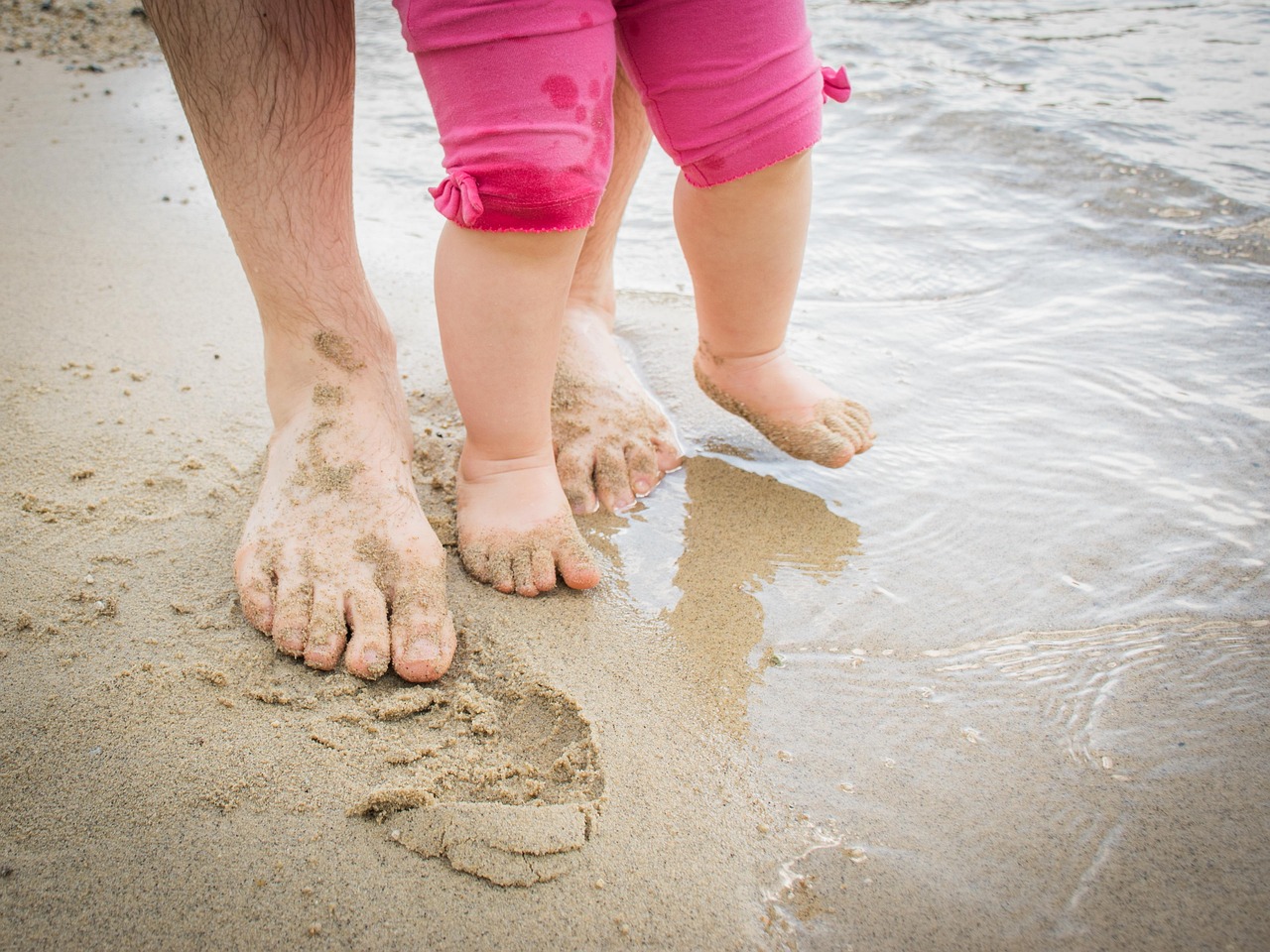
For diabetics, foot care is not just a matter of basic hygiene; it's a crucial aspect of managing a complex condition that impacts blood circulation, nerve sensitivity, and overall foot health. While regular medical check-ups and proper footwear are essential, natural foot massage techniques offer a valuable complementary approach to diabetic foot care tips, promoting relaxation, improving blood flow, and potentially preventing nerve damage. This simple yet effective method leverages the power of touch to address the unique challenges diabetics face.
Massaging the feet can help relieve tension and stimulate the nervous system, which is particularly important for diabetics who may experience numbness or tingling due to nerve damage. A gentle, circular motion on the soles and the arch of the foot can improve blood circulation, ensuring essential nutrients and oxygen reach the feet and legs. This is especially beneficial as diabetes can lead to poor circulation, a common complication that increases the risk of infections and ulcers. By incorporating natural remedies backed by science, such as essential oils known for their anti-inflammatory properties, diabetics can enhance the benefits of foot massage. A study published in the Journal of Alternative and Complementary Medicine suggested that massage with lavender oil improved diabetic neuropathy symptoms.
Creating a regular foot massage routine at home is a powerful way to take control of your diabetic foot care. It's a simple practice that promotes self-awareness and can be a relaxing break in your day. Start with a warm foot bath to soften the skin, then use your thumbs and fingers to gently apply pressure along the foot's muscle groups and nerve endings. Focus on areas that feel tense or painful, and remember to move slowly and gently, especially if you have any open sores or cuts. Regular sessions can help prevent the progression of diabetic foot problems by promoting a healthy foot environment and improving overall blood sugar control, which is essential for maintaining foot health. A daily check of your feet, including a gentle foot massage, can help you identify any changes or irregularities, allowing for early intervention. Visit us at daily checks for diabetic feet anytime to ensure proactive foot care.
Comprehensive Diabetic Foot Care: Prevention and Treatment

Tips are crucial for managing diabetes and preventing severe complications. When should I see a doctor for diabetic feet diabetic foot symptoms, such as persistent pain, numbness, or changes in skin color, can be early indicators of more serious issues. Neglecting these symptoms can lead to ulcerations, infections, and even amputation. Keeping feet healthy with diabetes involves a multi-faceted approach, encompassing both proactive prevention and necessary medical intervention.
One of the most effective preventive measures for diabetic foot care is regular self-inspection. As part of your daily diabetic foot care routine, check your feet for any cuts, blisters, redness, or swelling. Addressing small issues immediately can prevent them from escalating. A simple cut or callus should be cleaned and bandaged properly, while persistent redness might indicate an infection requiring medical attention. Best shoes for diabetic feet men with proper support, cushioning, and breathability are essential for maintaining foot health. They should be worn consistently, even at home, to reduce the risk of injuries and pressure points.
Beyond self-care, regular exercise matters in diabetic foot care. Easy exercises like toe and ankle stretches improve foot flexibility and circulation. This promotes better blood flow, which is critical for healing and preventing damage. However, it's important to avoid exercises that put excessive pressure on the feet, especially if nerve damage is present. High-impact activities like running may need to be modified or avoided entirely in some cases. Consulting with a podiatrist can help tailor an exercise plan to your specific needs.
When considering advanced diabetic foot care, it's crucial to visit us at natural remedies backed by science how to create a diabetic foot care plan. Custom insoles, for example, can help align the foot and reduce pressure on specific areas. However, for more severe issues like diabetic neuropathy or persistent foot pain, medical treatment is necessary. Antibiotics, debridement, and antimicrobials are used to treat infections, while wound care and podiatry can address ulcerations. The key is to catch problems early and maintain a comprehensive diabetic foot care routine that includes both prevention and treatment.
Through this comprehensive exploration of foot massage for diabetes and tips, readers have gained valuable insights into managing and preventing foot-related complications. Understanding the impact of diabetes on foot health is crucial, highlighting the need for proactive care. Natural foot massage techniques offer a simple yet effective method to alleviate pain and improve circulation, demonstrating the power of touch in diabetic foot care.
The article emphasizes the importance of a multifaceted approach, encompassing prevention, daily care, and advanced treatment strategies. From basic hygiene practices and suitable footwear to specialized podiatry, every aspect contributes to long-term diabetic foot health. By incorporating these tips into daily routines and seeking professional guidance when necessary, individuals with diabetes can take significant steps to protect and heal their feet.
Moving forward, the knowledge gained can guide individuals to become advocates for their foot health, fostering a proactive mindset. Whether it's through regular self-care practices or seeking expert advice, the strategies outlined in this article provide a solid foundation for managing and improving diabetic foot care.
References
- OrthoColorado Hospital | Lakewood | CommonSpirit Health — www.mountain.commonspirit.org
- Ford Ecosport Value Calculator — What's a Ford Ecosport Worth ... — forcar.org