
Diabetes is a growing concern worldwide, with a significant impact on foot health. The WHO report highlights the importance of addressing diabetic foot care tips as a critical aspect of managing the condition. The problem lies in the increased risk of developing severe complications, such as ulcers and infections, which can lead to amputation if left untreated. This article provides an in-depth guide to selecting the best shoes for diabetics, a key component of comprehensive diabetic foot care. We explore the specific needs and considerations that go into choosing footwear that promotes healing, prevents injuries, and supports overall foot health for individuals living with diabetes.
- Choosing Shoes for Diabetic Foot Care
- Diabetic Foot Pain: Relief & Prevention
- Natural Diabetic Foot Care Practices
Choosing Shoes for Diabetic Foot Care
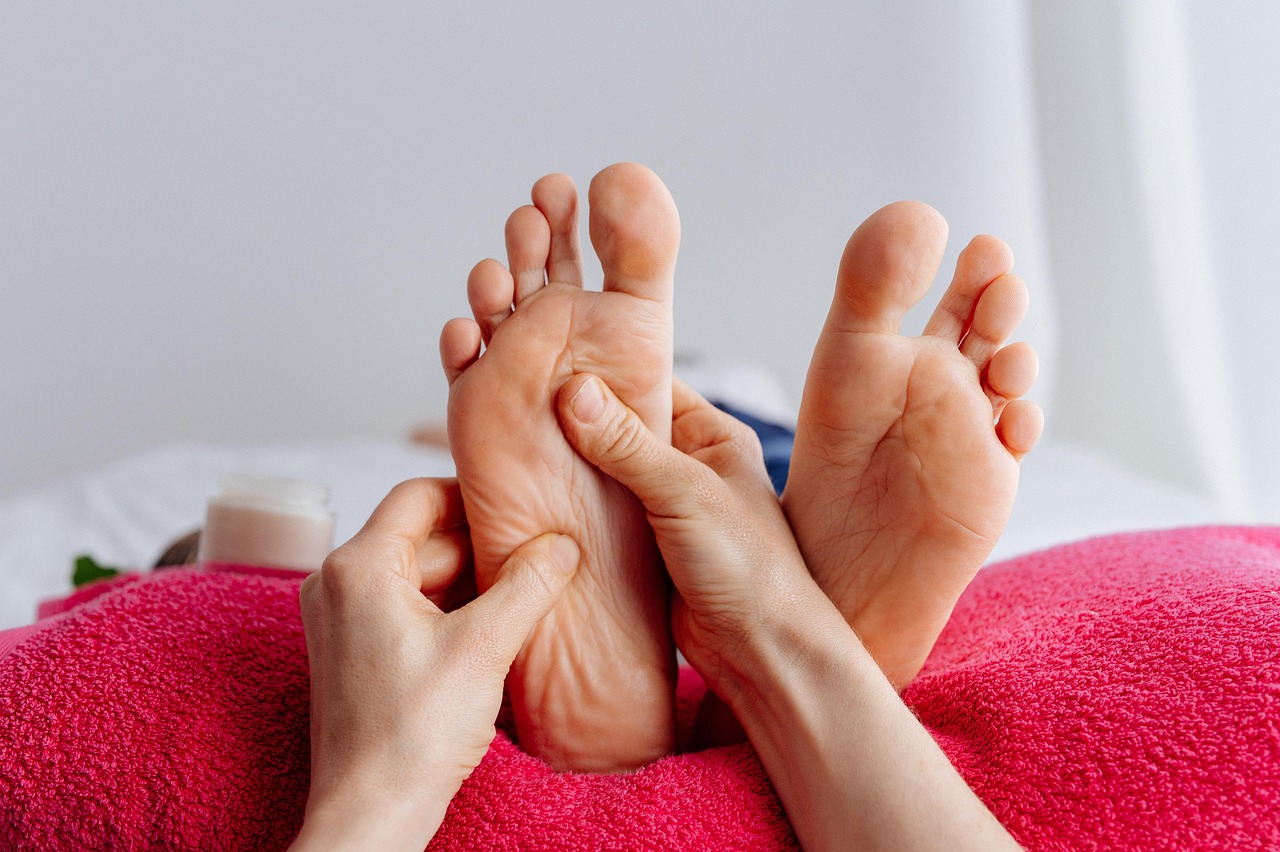
For diabetic foot care tips, one of the most important decisions you can make is selecting the right shoes. Footwear that doesn't fit well or lack the necessary support can exacerbate existing foot issues, including nerve damage and poor circulation, which are common complications of diabetes. The right shoes can significantly reduce the risk of severe diabetic foot problems, from calluses and blisters to ulcers and, in the worst cases, amputation.
We often hear myths about what constitutes the best shoes for diabetics, but maintaining healthy blood sugar levels for foot health is not solely about the footwear itself. While orthotic inserts can be beneficial, they are not a cure-all. Instead, look for shoes that offer:
-
Good support and cushioning: These help to reduce pressure on your feet and minimize impact during walking, which is crucial if you have nerve damage or reduced sensation.
-
Wide toe box: A spacious toe box allows your toes to move freely without rubbing against the shoe, preventing calluses and improving blood flow.
-
Breathability: Choose materials like mesh or leather with ventilation holes to keep your feet cool and dry, preventing skin irritation and fungal infections.
-
Flat, stable heel: A low heel (less than 1.5 inches) provides better balance and reduces stress on your feet and legs, particularly for those with peripheral neuropathy.
Performing daily foot inspections, along with regular visits to your podiatrist, is also a vital part of diabetic foot care. Look for any signs of cuts, redness, swelling, or unusual shapes or textures in your feet and toes. If you notice any red flags, give us a call at diabetes and poor circulation in legs for expert advice.
Remember, the right shoes are an investment in your foot health. Opting for quality over cost can prevent costly foot complications down the road.
Diabetic Foot Pain: Relief & Prevention

Diabetic foot pain is a serious concern for many people living with diabetes. This is not just a minor discomfort; it can be a debilitating symptom that impacts mobility and quality of life. Why do diabetics need special foot care for pain management? The feet are particularly vulnerable to nerve damage, poor circulation, and skin problems associated with diabetes. Resolving circulatory issues in feet is a key aspect of diabetic foot care tips naturally; ensuring adequate blood flow is essential for both pain relief and preventing complications.
Special footwear and orthotics can be a major improvement for diabetics dealing with foot pain. When choosing shoes, look for those that provide excellent support, balance, and breathability. Custom insoles and orthotics can be tailored to your specific needs, improving foot alignment and reducing pressure points. Remember, the right shoes can make a significant difference in managing and preventing diabetic foot pain.
Improving circulation naturally for diabetics, especially in the pediatric population, is a proactive approach to foot care. Encouraging healthy habits like regular exercise, proper hygiene, and adequate hydration can boost blood flow. Simple daily exercises, such as foot stretches, can improve flexibility and promote better circulation. For children with diabetes, educating them on foot hygiene and the importance of regular foot inspections is crucial. This proactive approach can help catch issues early, allowing for prompt action and preventing severe complications.
If you're facing persistent foot pain or have concerns about diabetic foot care, it's essential to consult a healthcare professional. They can provide guidance tailored to your specific needs. Give us a call at government assistance for diabetic foot care latest advancements in diabetic foot treatment to explore the latest innovations in care, ensuring you receive the best possible support for managing and preventing diabetic foot issues.
Natural Diabetic Foot Care Practices
Tips naturally involve a holistic approach that combines specific footwear choices with daily self-care practices. For men suffering from diabetic foot pain, selecting the best shoes for diabetic feet is crucial. Look for shoes that offer excellent support, have a wide toe box, and are made of breathable materials like leather or mesh. Orthotics can also be beneficial to help align the foot and reduce pressure points. Custom insoles designed for your foot type can provide additional support and alleviate stress on sensitive areas.
Protecting childrens feet from diabetes requires early intervention and education. Parents should incorporate regular daily checks for diabetic feet, examining them for any cuts, blisters, or changes in color or temperature. Teaching children about proper foot hygiene, including regular washing and drying, is essential. Special considerations for young diabetics include ensuring their shoes fit well and are comfortable, as foot problems can be more prevalent during growth spurts. Understanding diabetic foot care and insurance coverage can help families navigate medical expenses; government assistance for diabetic foot care latest advancements in diabetic foot treatment offer hope for improved outcomes.
Beyond traditional shoe choices, natural remedies and dietary practices play a significant role in diabetic foot care. Incorporating antioxidants and vitamins in your diet can help reduce inflammation and support nerve regeneration. Moisturizers can prevent dry skin, a common issue that can lead to further complications. Regular exercise, tailored to your abilities, can improve blood flow and foot flexibility. Simple stretches and exercises can be done daily to keep your feet strong and healthy. Maintaining a balanced diet and managing blood sugar levels are also critical components of long-term diabetic foot care.
Daily checks, proper hygiene, and regular foot care routines are key to preventing severe complications. By following these natural diabetic foot care practices and incorporating the best shoes for diabetic feet men diabetic foot pain relief, individuals can significantly reduce the risk of developing more serious issues. Remember, consistency and vigilance are vital in managing diabetes foot pain and maintaining overall foot health.
Tips have been shown to be a critical component of managing diabetes, preventing complications, and improving overall foot health. By selecting the right footwear, practicing natural care techniques, and incorporating advanced management strategies, individuals with diabetes can significantly reduce their risk of severe foot issues. Prioritizing daily hygiene, proper foot inspection, and balanced nutrition forms the foundation of effective diabetic foot care. Staying informed about advanced treatments, seeking professional podiatry when needed, and adopting a proactive self-care routine can help maintain foot health and prevent severe complications. These integrated strategies empower individuals to take control of their diabetic foot care, enhancing their quality of life and ensuring a healthier future.