
Diabetic foot care is a critical yet often overlooked aspect of managing the condition, especially on a budget. With the rising prevalence of diabetes, ensuring proper foot health is not just a personal responsibility but a public health concern. The problem lies in the potential for neglecting foot care due to cost constraints, leading to preventable complications. This article provides a practical guide to navigating diabetic foot care tips naturally, offering practical solutions for those who may be limited in resources. We'll explore cost-effective strategies, from daily hygiene practices to advanced management techniques, ensuring your feet stay healthy and your budget remains balanced.
- Preventing Diabetic Foot Complications Naturally
- Budget-Friendly Diabetic Foot Care Routine
- Managing Diabetes Foot Pain Without Expense
Preventing Diabetic Foot Complications Naturally

Preventing Diabetic Foot Complications Naturally
Diabetic foot care doesn't have to break the bank to be effective. Many preventative measures involve simple, everyday practices that can significantly reduce the risk of severe complications, including amputation. One of the most powerful tools in your arsenal is maintaining healthy blood sugar levels. This involves regular monitoring, adhering to your prescribed diet, and staying active. By managing your blood sugar, you're not just preventing nerve damage and poor circulation-you're also minimizing the long-term effects of high blood sugar on your feet.
Daily checks for diabetic feet are crucial. Inspect your feet for any cuts, redness, swelling, or blisters. Remember, even small issues can indicate a larger problem. Early detection can prevent these from becoming serious, life-threatening infections. Proper foot hygiene is also essential. Wash your feet daily with mild soap and warm water, ensuring excellent ventilation to prevent fungal infections. Dry your feet gently, especially between the toes, as moisture can cause issues.
Exercise matters in diabetic foot care tips naturally. Regular movement improves blood flow, strengthens muscles, and enhances flexibility. Simple exercises like toe curls, ankle rotations, and foot stretches can go a long way in keeping your feet healthy. Combining this with proper footwear and orthotics, which support balance and breathability, can further reduce the risk of complications.
In terms of managing risks, it's important to remember that diabetes and poor circulation in legs are closely linked. Addressing these issues early can prevent severe problems down the line. If you experience tingling or numbness in your feet, consult a podiatrist. They can provide specialized care, offer advice on managing your condition, and recommend tailored exercises to improve foot alignment. By adopting these natural diabetic foot care tips, you can take a proactive approach to maintaining your foot health, reducing the risk of complications, and potentially avoiding costly medical interventions, such as surgery, in the long term.
Visit us at differences in foot health management anytime for a deeper examine the various strategies available.
Budget-Friendly Diabetic Foot Care Routine

Creating a budget-friendly diabetic foot care routine can be a major improvement for managing your health while keeping costs under control. The key lies in adopting a proactive approach that focuses on prevention and simple, yet effective, self-care practices. Regular handwashing and proper foot hygiene become even more crucial, as they significantly reduce the risk of infections and complications. This routine should also incorporate daily activities that improve blood circulation in the feet, such as gentle exercises and proper footwear choices. Simple stretches can help ease diabetic foot pain and maintain flexibility.
Special considerations for young diabetics, who are often at higher risk of developing complications, should be integrated into this routine. Educating children on proper foot hygiene and ensuring they have the right kind of footwear can prevent issues from an early age. Managing dry skin on diabetic feet, which is a common problem, can be addressed through dietary changes and the use of moisture-rich products. A balanced diet rich in antioxidants and essential vitamins supports overall foot health and may help reduce the impact of diabetes on the feet.
When resources are limited, it's important to know that there are affordable options for diabetic footwear, and government assistance programs can be explored for those who qualify. Many innovative therapies and natural remedies backed by science offer promising solutions for diabetic foot ulcers, further emphasizing the importance of proactive care. Custom insoles and specialized podiatry services can be cost-effective ways to address foot alignment issues and nerve regeneration. Visiting us at alternative treatments for diabetic foot ulcers diabetic foot care with limited mobility can also provide tailored, budget-friendly solutions to ensure every individual receives the care they need.
Managing Diabetes Foot Pain Without Expense
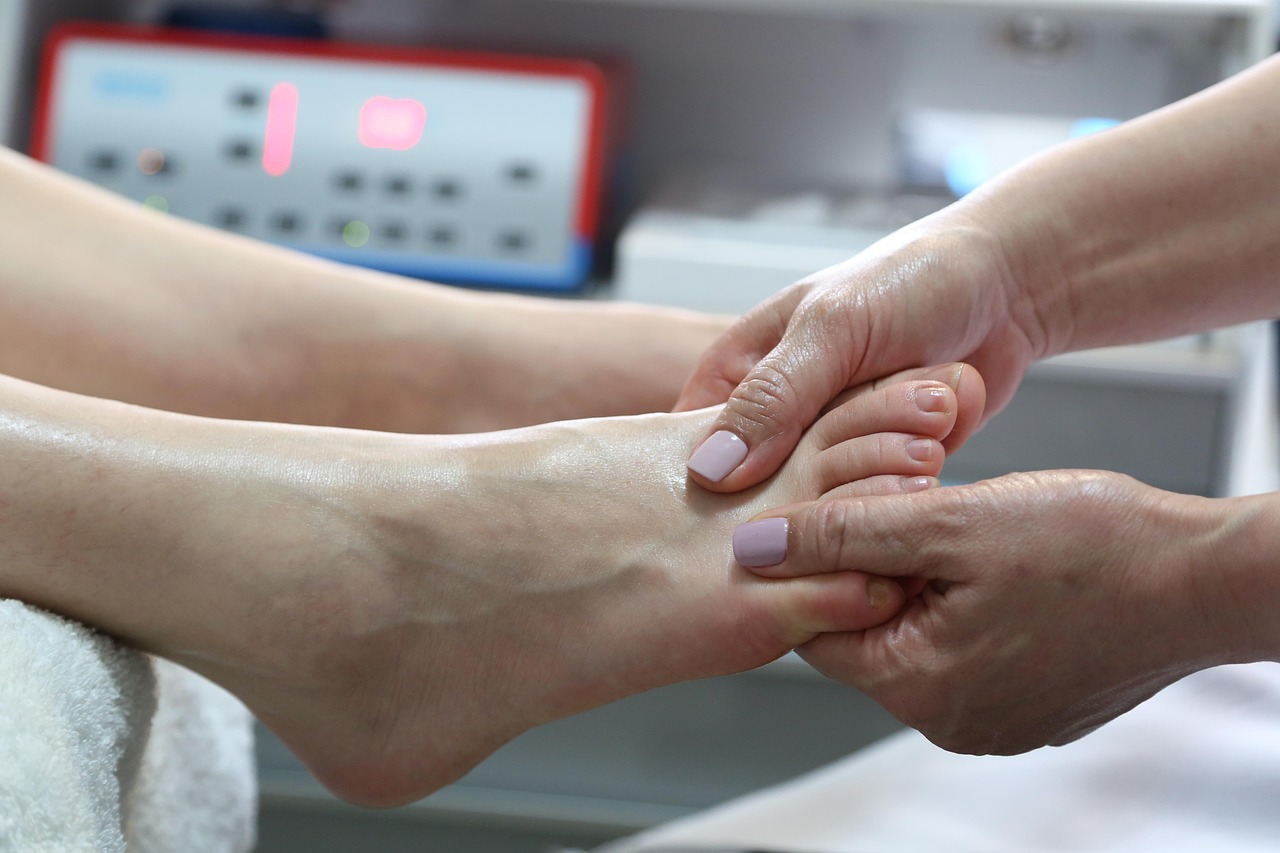
Managing diabetes foot pain without expense requires a multi-faceted approach that leverages accessible, cost-effective strategies. Many people believe that proper diabetic foot care necessitates a significant financial investment, but this isn't always the case. By prioritizing self-care, adopting smart lifestyle choices, and understanding common misconceptions, individuals with diabetes can effectively manage foot pain while staying within budget constraints.
Debunking Myths and Misconceptions
Common misconceptions often discourage individuals from taking charge of their diabetic foot care. Myth busters for diabetes and feet stress that maintaining healthy blood sugar levels is crucial for foot health, but it's achievable through balanced eating, regular exercise, and medication adherence-all of which are often free or low-cost. Protecting childrens feet from diabetes diabetic foot care and insurance coverage shouldn't be a financial burden. Understanding medical billing for feet and exploring government assistance for diabetic foot care can help navigate potential costs.
Natural Solutions for Pain Relief
Instead of relying solely on expensive medications, consider natural remedies backed by science. Incorporating antioxidants and vitamins into your diet can help reduce inflammation and promote wound healing. Simple stretches for diabetic foot pain can improve flexibility and reduce tension. Regular exercise, such as walking or swimming, enhances blood circulation and strengthens foot muscles. Affordably sourced, at-home foot care tools, like a foot file or moisturizer, can also contribute to a healthy foot environment.
Tips for Every Budget
Implementing a daily foot inspection routine is crucial. Check for cuts, redness, or blisters, addressing any issues promptly. Maintaining meticulous hygiene through regular handwashing and proper ventilation can prevent infections. Investing in breathable, supportive footwear and orthotics can also alleviate pressure points, reducing the risk of ulceration. When concerns arise, give us a call at diabetic foot care during pregnancy red flags for diabetic foot issues. Remember, proactive care is often more cost-effective than reactive treatment.
By prioritizing tips naturally and within budget constraints, you can significantly reduce the risk of severe complications and improve overall foot health. This article has outlined practical, accessible strategies for preventing and managing diabetic foot issues, from daily hygiene and foot inspection to advanced treatments like exercise and podiatry. Key takeaways include the importance of regular, thorough foot checks, the selection of appropriate footwear with orthotics, and the role of balanced nutrition in maintaining foot health. Incorporating these cost-effective practices into your routine can empower you to take charge of your diabetic foot care, ensuring better long-term outcomes without breaking the bank. The next step is to create a personalized diabetic foot care plan, setting achievable goals and incorporating these tips into your daily life.
References
- 5 takeaways from The Athletic ’s reporting on the mental health... — www.nytimes.com