
Foot swelling is a common and often distressing symptom for diabetics, impacting their mobility and quality of life. It's a serious concern that requires proactive management, as prolonged swelling can lead to further complications, including nerve damage and infections. This article provides essential diabetic foot care tips to help you prevent and mitigate foot swelling. We'll explore evidence-based strategies, from daily hygiene practices and suitable footwear to advanced treatments and lifestyle adjustments, empowering you to take control of your foot health and reduce the risk of severe diabetic foot complications.
- Recognize Symptoms and Causes of Foot Swelling
- Implement Natural Diabetic Foot Care Tips
- Prevent and Manage Chronic Foot Swelling Effectively
Recognize Symptoms and Causes of Foot Swelling

Recognizing the symptoms and understanding the causes of foot swelling is a crucial aspect of diabetic foot care tips. For diabetics, swelling in the feet and ankles can be a common and concerning issue, often indicating a more serious underlying problem. It's essential to know the signs, as early intervention can prevent complications. Common symptoms include sudden and persistent swelling, redness, warmth, and pain in the feet and ankles. These can be signs of various conditions, such as diabetic neuropathy, a common complication of diabetes, which can lead to nerve damage and impaired blood flow.
Promoting a healthy foot environment is key to preventing these issues. What causes diabetic foot problems? Poor blood circulation, due to both diabetes and reduced mobility, is a primary factor. This can result in reduced oxygen and nutrient supply to the feet, making them more susceptible to infections and ulcers. Nerve damage, or diabetic neuropathy, can cause a loss of feeling, making it difficult to detect injuries and infections early. Common misconceptions about diabetic foot care often include the belief that foot problems are inevitable with diabetes. However, proper foot hygiene, regular exercise, and a balanced diet can significantly reduce the risk of complications.
To prevent diabetic foot ulcers, it's essential to address the root causes. How to prevent diabetic foot ulcers involves a multi-faceted approach. Regularly checking your feet for any cuts, blisters, or signs of infection is vital. Maintaining good foot hygiene, keeping your feet clean and dry, and wearing comfortable, supportive footwear can make a significant difference. The importance of foot hygiene for diabetics comparing diabetic and non-diabetic foot care is evident in the increased risk of infections and complications for diabetics. Diabetics should also consider special foot care products designed to promote healing and protect against infections. By understanding these causes and implementing these tips, diabetics can take proactive steps to manage foot swelling and maintain overall foot health.
Implement Natural Diabetic Foot Care Tips
Managing foot swelling is a critical aspect of diabetic foot care, often requiring a multifaceted approach that includes both conventional and natural tips. While proper medical intervention and medication are essential, incorporating natural practices into your routine can significantly enhance overall foot health and reduce the risk of complications. This section explores practical, evidence-based strategies for managing foot swelling, with a focus on natural remedies and special considerations for young and elderly diabetics.
Tips naturally involve a holistic approach that addresses various factors contributing to foot swelling. Improving circulation is a cornerstone of diabetic foot care.
Prevent and Manage Chronic Foot Swelling Effectively
Chronic foot swelling is a common and often debilitating symptom for people living with diabetes, including both type 1 and type 2 cases. Beyond the discomfort, prolonged swelling can lead to serious complications, such as nerve damage and reduced circulation, further complicating diabetic foot care. The key to managing foot swelling lies in a multi-faceted approach that combines proactive prevention with consistent, effective care.
Tips naturally start with understanding the root causes. High blood sugar levels can cause blood vessels to leak fluid, leading to swelling. Poor circulation, a common consequence of diabetes, impedes the body's natural ability to reduce swelling. Nerve damage, or neuropathy, can make it difficult to sense discomfort, delaying awareness of swelling. To create a routine for better foot health, daily inspection is crucial. Check for any signs of redness, warmth, or swelling, especially around the ankles and feet. Early detection allows for prompt action to prevent escalation.
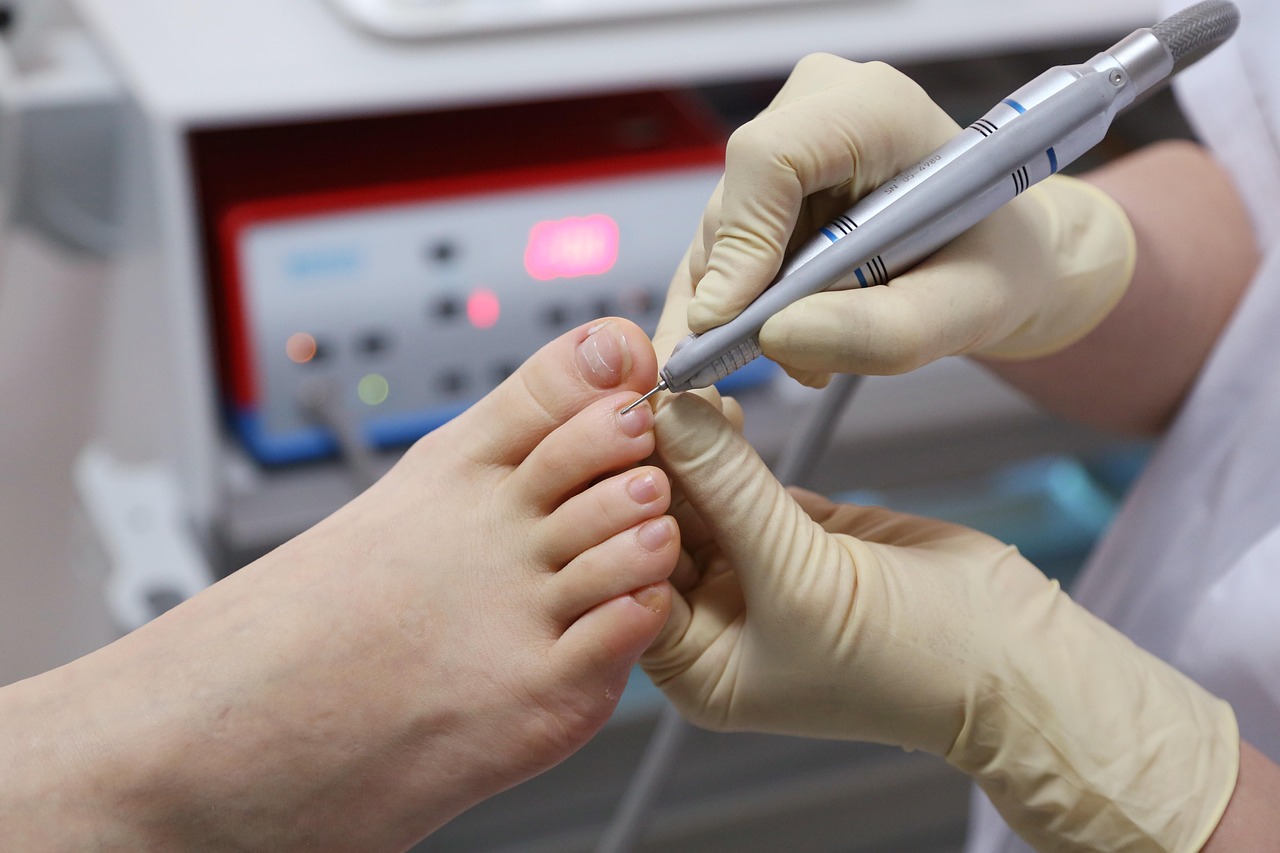
While managing diabetes itself is paramount, specific strategies can help with foot swelling. Regular exercise, such as walking or swimming, improves circulation and promotes fluid balance in the body. Maintaining a healthy weight reduces the pressure on feet, easing swelling. Proper footwear, including well-fitting, supportive shoes and orthotics, can alleviate pressure points and improve overall foot health. Visiting a podiatrist regularly for professional foot care is also essential, especially for those with nerve damage or poor circulation.
It's important to dispel common misconceptions about diabetic foot care. Some believe that swelling is inevitable. However, proactive measures can significantly reduce its impact. Another myth is that foot care is solely a "woman's concern." Men with diabetes also require regular attention to their feet, as swelling and nerve damage can affect them equally.
For those with chronic foot swelling, innovative technologies, such as futuristic foot monitoring devices, can provide valuable insights into daily changes. These tools offer a more precise understanding of swelling patterns, enabling individuals to make informed decisions regarding their diabetic foot care. Remember, managing foot swelling is not just about treating symptoms; it's about preventing complications and maintaining overall foot health. By adopting a holistic approach, incorporating tips into daily routines, and seeking professional guidance when needed, individuals with diabetes can effectively manage foot swelling and enjoy improved foot health.
Frequently Asked Questions About Managing Foot Swelling
What causes foot swelling in diabetics? Foot swelling in diabetics is often due to a combination of factors, primarily related to poor blood circulation and nerve damage. The most common causes include peripheral artery disease, which restricts blood flow to the feet, and diabetic neuropathy, where the nerves in the feet are damaged, leading to fluid retention and swelling. High blood sugar levels over time can contribute to these issues, affecting blood vessels and nerves.
How do I know if I have diabetic foot swelling? Look for persistent or sudden swelling in one or both feet, often accompanied by redness, warmth, and a feeling of tension. You may also notice changes in skin color, such as discoloration or a shiny appearance. If you experience any numbness, tingling, or pain in your feet or toes, along with the swelling, it's important to consult a healthcare professional immediately, as these could be signs of more serious complications.
What are the first steps to manage foot swelling? The initial steps in managing foot swelling include elevating your feet above the level of your heart whenever possible, especially while sitting or sleeping. Wear well-fitted, supportive shoes to reduce pressure and improve blood flow. Keep your feet clean and dry, and inspect them daily for any cuts, blisters, or signs of infection. Over-the-counter pain relievers can help with discomfort. However, if the swelling is severe or persistent, contact your doctor.
What should I eat to reduce foot swelling? A balanced diet is crucial for managing foot swelling in diabetics. Focus on foods rich in antioxidants and anti-inflammatory properties, such as berries, leafy greens, and fish high in omega-3 fatty acids. Include foods with low glycemic indices to help regulate blood sugar levels, like whole grains, legumes, and non-starchy vegetables. Staying hydrated by drinking plenty of water can also aid in reducing swelling.
Is weight loss helpful in managing diabetic foot swelling? Weight loss can significantly improve foot swelling in diabetics. Losing weight reduces the pressure on your feet and legs, improving blood flow and nerve function. Even a small amount of weight loss can make a difference, so adopting a healthy diet and engaging in regular physical activity can be beneficial. Consult a healthcare professional or a dietitian for a personalized weight loss plan.
What exercises are good for diabetic foot swelling? Gentle exercises like walking, swimming, and cycling can help improve blood circulation in the feet without putting excessive pressure on them. Stretching exercises for the legs and feet can also be beneficial. Sitting on the floor with the legs extended and gently pulling the toes towards you can help stretch the calf muscles. Always start with a few repetitions and increase gradually to avoid strain.
How can I prevent diabetic foot ulcers? Preventing diabetic foot ulcers involves taking excellent care of your feet. This includes daily inspections to identify any cuts, cracks, or blisters, and treating them promptly. Wear appropriate, comfortable footwear that provides good support and protection. Avoid crossing your legs when sitting, and don't smoke, as both habits can impair blood flow to your feet. Regular foot massages and keeping your feet warm can also improve circulation.
Managing foot swelling is crucial for diabetics, who face a higher risk of complications. By recognizing the symptoms and causes, and implementing natural tips, you can effectively prevent and manage chronic foot swelling. This includes daily hygiene, proper footwear, balanced nutrition, and regular exercises tailored to improve circulation and flexibility. Incorporating these practical strategies into your routine not only alleviates current swelling but also reduces the risk of severe, potentially life-threatening complications. Keeping feet clean and well-ventilated, along with using specialized footwear and orthotics, can significantly decrease the likelihood of nerve damage and ulceration. Understanding the importance of regular podiatry visits and staying up-to-date with medical advancements ensures you receive the best possible care. Following these tips naturally can help you maintain foot health, enhance your quality of life, and reduce the risk of amputations.
References
- Google Drive - Wikipedia — en.wikipedia.org