
Diabetic foot care is a critical aspect of managing the condition, preventing severe complications, and maintaining mobility. Poor blood circulation, nerve damage, and frequent infections can result from the prolonged neglect of feet, leading to amputations in severe cases. The challenge lies in the daily care and products that can address these issues effectively. This article offers a comprehensive review of foot care products, tailored to the unique needs of diabetics, providing practical tips for prevention and management. We explore advanced care, footwear options, nutrition, and self-care strategies, all aimed at supporting long-term foot health and preventing severe diabetic foot complications.
- Understanding Diabetic Foot Care Basics
- Choosing the Right Foot Care Products
- Natural Diabetic Foot Care Tips and Remedies
Understanding Diabetic Foot Care Basics

Diabetic foot care is a crucial aspect of managing the condition, preventing severe complications, and maintaining overall health. At its core, effective diabetic foot care involves a combination of daily checks, proper foot hygiene, and the right tools and products. Understanding the basics is the first step toward proactive management.
Regular daily checks for diabetic feet are essential. This includes visually inspecting your feet for any cuts, blisters, redness, or swelling. Checking for calluses and dry skin is also vital, as these can be signs of nerve damage or poor circulation, common issues in diabetics. Remember, early intervention is key. Addressing small cuts promptly can prevent them from becoming infected. Daily checks allow you to track any changes in your feet, enabling you to seek medical attention promptly if necessary.
Natural remedies and products play a significant role in diabetic foot care. Using specialized foot creams and moisturizers can help combat dry skin, a common issue due to reduced blood flow. Topical antioxidants and certain vitamins have also shown promise in supporting nerve regeneration and improving circulation in legs, which is crucial for diabetic foot health. Incorporating easy exercises to improve foot flexibility into your routine can enhance blood circulation and prevent stiffness.
One area that deserves special attention is preventing and managing poor circulation in legs. Diabetes can lead to narrowing of blood vessels, affecting blood flow to the feet. This increases the risk of infections and wounds not healing properly. Therefore, it's essential to maintain healthy blood sugar levels, as well as consult with a podiatrist for specialized care. They can recommend custom insoles or other orthotic devices to improve foot alignment and reduce pressure on specific areas, further enhancing blood circulation.
Choosing the Right Foot Care Products

Choosing the right foot care products is a crucial aspect of managing diabetic foot health, offering both prevention and relief. Unlike regular foot care, diabetic foot care vs regular foot care fix diabetic foot pain fast by addressing specific needs, such as enhanced blood flow and nerve sensation. This requires a strategic approach, focusing on products that promote healing and prevent complications.
The importance of foot hygiene for diabetics comparing diabetic and non-diabetic foot care is profound. Diabetics face a higher risk of infections and nerve damage, making daily checks for diabetic feet essential. Products like specialized cleansers and moisturizers help maintain a healthy foot environment, reducing the risk of ulceration. Using an antibacterial soap and following up with a diabetic-specific moisturizer can create a robust defense against dry skin and calluses, common issues in managing diabetes.
For managing feet for elderly diabetics, the focus shifts to products that ease pain and maintain mobility. Orthotic insoles, for example, can improve balance and reduce pressure points, preventing severe complications. Regular podiatry visits are key, as professionals can guide patients on the best products and exercises for their needs. The daily checks for diabetic feet should include examining footwear, checking for cuts or blisters, and ensuring the feet stay well-hydrated.
Selecting the right foot care products involves understanding the unique challenges of diabetes. Incorporating products that enhance blood circulation, support nerve health, and maintain skin condition can significantly contribute to diabetic foot care vs regular foot care, fixing diabetic foot pain fast and preventing severe complications.
Natural Diabetic Foot Care Tips and Remedies
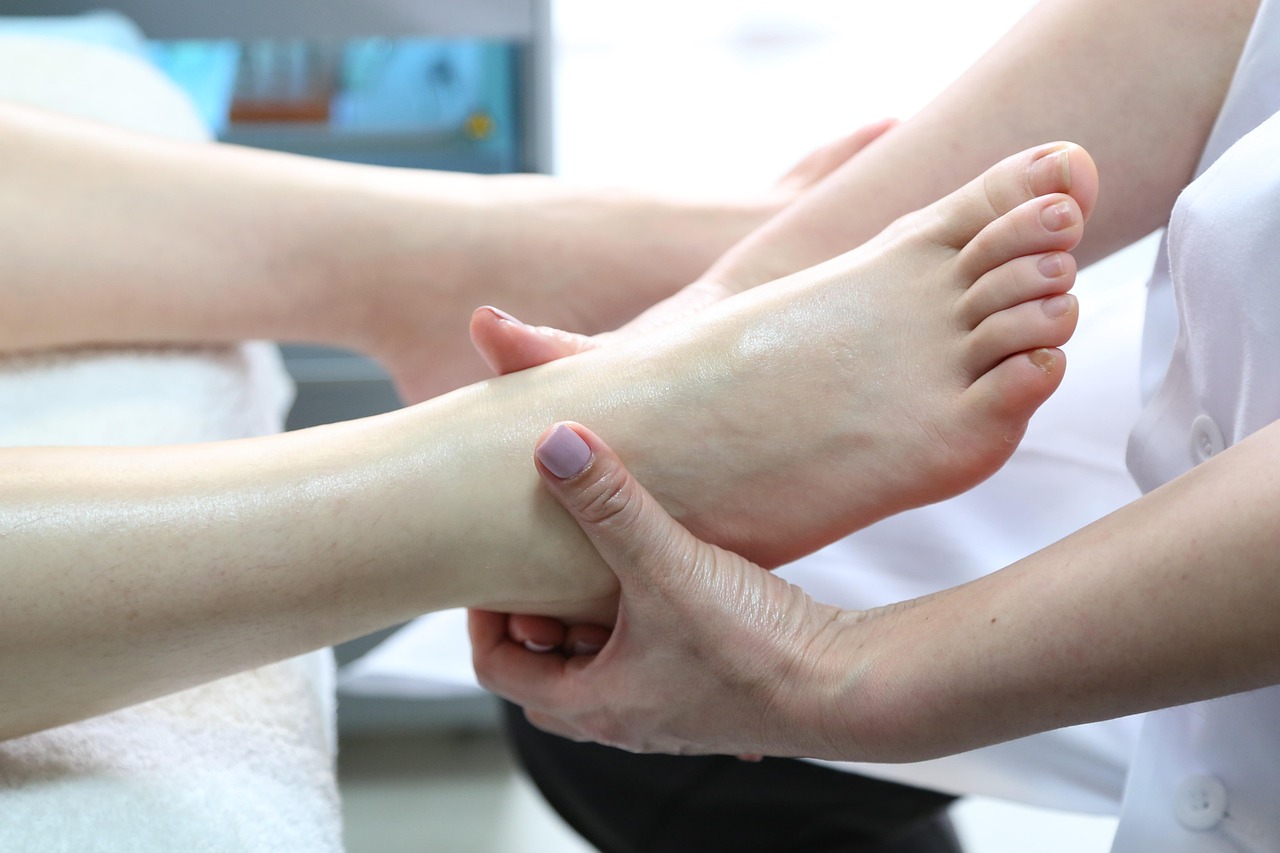
Diabetic foot care tips naturally focus on holistic, non-pharmaceutical methods to manage and prevent complications. While medical intervention is crucial, especially when dealing with severe symptoms or complications like nerve damage, many everyday practices can significantly improve foot health. Regular foot inspections, proper hygiene, and gentle exercises can be powerful tools in the fight against diabetic foot ulcers. Daily checks for signs of infection or damage, coupled with simple stretches to improve flexibility, can reduce the risk of amputation.
Differences in foot health management between diabetics and non-diabetics lie in the intensity of care and vigilance. Diabetics require more proactive measures due to the higher risk of nerve damage and reduced blood flow. Natural remedies, such as essential oils and herbal infusions, have shown promise in improving circulation and soothing foot pain. However, these should be used in conjunction with medical advice, not as a replacement. When should I see a doctor for diabetic feet diabetic foot symptoms, such as persistent pain, redness, or swelling, warrant immediate attention.
The importance of foot hygiene for diabetics cannot be overstated. Proper handwashing and foot cleaning techniques, combined with regular use of moisturizing creams to combat dryness, can prevent small cuts and abrasions from becoming infected. This is especially crucial in managing long-term foot health, as it reduces the risk of complications that could lead to severe issues like ulcerations. Applying a warm, soapy washcloth to the feet daily can effectively clean and soften the skin, promoting overall foot health.
Alternative treatments for diabetic foot ulcers diabetic foot care with limited mobility can include innovative therapies like negative pressure wound care and specialized compression boots. These options are particularly valuable for those who struggle with mobility, as they allow for effective wound management while minimizing the need for frequent changes, which can be difficult for immobile individuals. If you're managing diabetes at home, it's essential to consult a healthcare professional for guidance on the best products and techniques for your specific needs, considering factors like your stage of diabetes, foot anatomy, and lifestyle.
Frequently Asked Questions About Foot Care Products Review
What is the importance of foot care for diabetics? Diabetic foot care is crucial because diabetes can cause nerve damage and poor circulation in the feet, leading to ulcers, infections, and, in severe cases, amputation. Regular foot inspections, proper footwear, and specialized products can significantly reduce these risks.
What are some key elements of a diabetic foot care routine? A comprehensive diabetic foot care routine includes daily checks for cuts, blisters, or red spots; keeping feet clean and dry; trimming toenails straight across; exercising to improve circulation and flexibility; and using products like moisturizing creams, antifungal sprays, and specialized insoles.
How do I choose the best shoes for diabetic feet? When selecting shoes for diabetic feet, look for those with adequate cushioning, wide toe boxes, and good arch support. Consider getting measured by a specialist for the best fit, and avoid tight or narrow shoes that can cause pressure points.
What are some natural remedies for diabetic foot ulcers? While medical treatment is essential, natural remedies like apple cider vinegar soaks (for wound healing), tea tree oil (antimicrobial properties), and certain herbs (e.g., aloe vera) can aid in healing and infection prevention. Always consult a healthcare provider before trying natural remedies.
How can I prevent nerve damage from diabetes in my feet? To prevent nerve damage, maintain healthy blood sugar levels, avoid smoking, exercise regularly, and keep your feet at a comfortable temperature. Using special insoles and wearing proper footwear can also reduce pressure on your feet, helping to prevent nerve damage.
When should I see a doctor for diabetic foot issues? Consult a doctor immediately if you notice signs of infection (redness, warmth, swelling), severe pain in your feet or toes, or a non-healing ulcer. Regular foot examinations by a healthcare provider are crucial, especially for diabetics at high risk for complications.
Are there any special considerations for diabetic foot care during pregnancy? Pregnant women with diabetes need to be especially vigilant about foot care. Increased blood sugar levels can affect circulation and nerve function in the feet. Regular check-ups, proper footwear, and specialized products can help ensure healthy feet during pregnancy.
By integrating proven diabetic foot care tips and leveraging the right foot care products, you can significantly reduce the risk of complications and improve overall foot health. Key takeaways include the importance of daily hygiene and foot inspection, choosing footwear that supports balance and breathability, and understanding the role of natural remedies like antioxidants and moisturizers. Addressing underlying issues like nerve regeneration and maintaining proper foot alignment can prevent severe problems. Regular podiatry visits and exercise tailored to enhance foot flexibility can be transformative. Moving forward, consider adopting a structured foot care routine, incorporating these tips into your daily life, and consulting healthcare professionals for personalized guidance. These proactive measures will contribute to long-term management of diabetic feet and help maintain your mobility and independence.