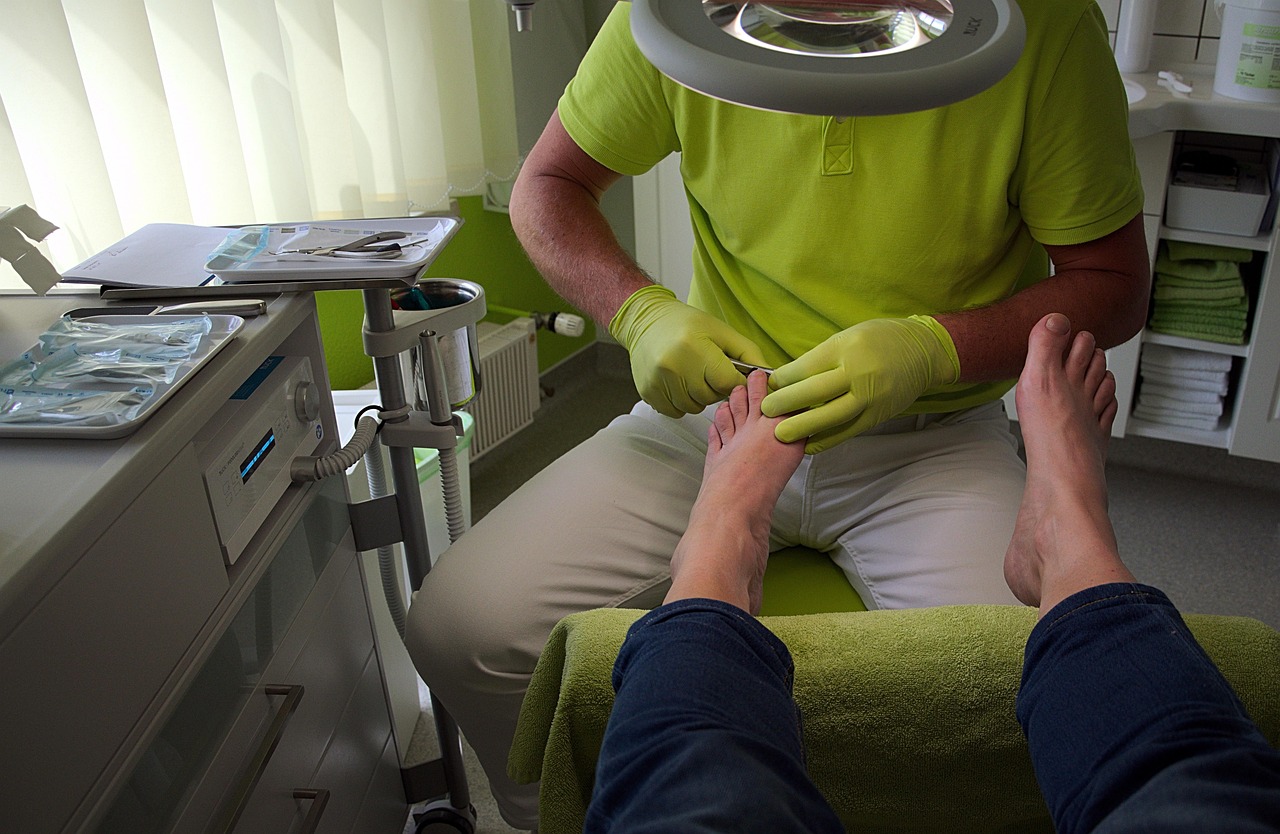
Diabetic foot care tips are essential for managing a condition that afflicts millions globally. Poor circulation and nerve damage, hallmarks of diabetes, can lead to severe foot complications if left unaddressed. Regular, thorough daily inspections are a frontline defense against these issues. This article offers a practical guide to prevent and manage diabetic foot problems through practical, evidence-based tips. We'll explore hygiene, footwear, advanced care, nutrition, special considerations, and more, providing the tools and knowledge needed to keep your feet healthy and your mind at ease. By implementing these diabetic foot care tips naturally, you can play a crucial role in maintaining your overall well-being.
- Inspect Regularly: Diabetic Foot Care Tips at Home
- Recognize Signs: Preventing Diabetic Foot Complications
- Maintain Health: Foot Care Routine for Diabetes
Inspect Regularly: Diabetic Foot Care Tips at Home

Regular, thorough daily checks are a cornerstone of tips at home. Take the time to inspect your feet, looking for any red flags that could indicate a problem. This simple practice can help prevent severe complications, especially for people living with diabetes. Start by washing your hands thoroughly to avoid introducing bacteria into the wound or infection site. Then, using clean, dry hands, examine both feet for any cuts, blisters, redness, swelling, or changes in temperature. These daily checks allow you to identify issues early, such as a new callus, a sore that isn't healing, or signs of infection, which can be addressed promptly.
Circulation matters in diabetic foot health. Exercise for better circulation in feet is a key component of tips. Regular physical activity, like walking or swimming, increases blood flow, helping to deliver essential nutrients to your feet and remove waste products. This can help prevent or manage diabetic neuropathy, a common complication that impairs sensation and can lead to ulcers and infections. Incorporating simple exercises that focus on foot flexibility and strength, like toe curls or heel lifts, into your daily routine can also contribute to improved circulation and overall foot health.
Many natural remedies for diabetic foot ulcers have been shown to support healing and reduce pain. Topical applications of aloe vera, for instance, have anti-inflammatory and antimicrobial properties that may aid in wound care. Some natural remedies, like certain essential oils, have been studied for their potential to stimulate nerve regeneration and alleviate pain. However, it's crucial to consult healthcare professionals before trying any new remedies, especially if you have an open wound or are taking medications. Long-term effects of high blood sugar on feet, left untreated, can lead to severe damage, so proactive care is essential. Visit us at long-term effects of high blood sugar on feet to learn more about managing diabetes and preventing foot complications.
Recognize Signs: Preventing Diabetic Foot Complications

Recognizing signs early is a critical diabetic foot care tip that can prevent serious complications. Diabetes affects your feet in various ways, leading to potential long-term effects like nerve damage, poor circulation, and dry skin (see how does diabetes affect your feet). The latter can cause cracking and breaking down of the skin, creating entry points for infections. Regularly checking your feet for any changes is essential. Look out for cuts, blisters, redness, swelling, or changes in temperature. These signs might indicate an infection or a circulation issue that requires urgent attention.
Diabetic foot infections, if left untreated, can lead to severe complications, including the need for foot amputation. That's why it's crucial to understand how to treat diabetic foot infections preventing diabetic foot complications. Any red flags necessitate immediate medical care. If you notice a pimple or abscess on your foot, or if an existing wound isn't healing, seek help promptly. At this stage, visiting a podiatrist is particularly beneficial, as they specialize in foot care, especially for diabetics. They can provide advanced treatments, such as debridement and antibiotics, to combat infections and promote healing.
Future technologies for foot monitoring play a growing role in diabetic foot care. Innovative tools, like smart insoles and apps, can track your gait, balance, and circulation, alerting you to potential issues early on. Custom insoles can help with foot alignment and reduce pressure on specific areas, mitigating the risk of ulcers. Remember, early intervention is key. By combining regular self-exams with professional care and embracing modern technology, you can significantly reduce the risk of severe diabetic foot complications and maintain better foot health. Visit us at diabetic foot care vs regular foot care fix diabetic foot pain fast for more on proactive care.
Maintain Health: Foot Care Routine for Diabetes

For diabetics, daily foot inspection and care are essential for preventing severe complications, such as nerve damage and infections that can lead to amputation. This proactive approach, often referred to as tips, involves a combination of self-examinations, proper hygiene, and specialized footwear. A common misconception about diabetic foot care is that it's merely about checking for cuts and blisters. In reality, it's a multifaceted strategy to maintain foot health, given the unique challenges posed by high blood sugar levels.
The routine should start with thorough handwashing using mild soap and warm water before attending to the feet. This prevents introducing bacteria from unwashed hands, which can exacerbate existing foot issues. During the inspection, look for any red flags like cuts, cracks, redness, swelling, or changes in temperature-signs of potential infections or poor circulation. Diabetic neuropathy, a common complication, can cause numbness and tingling, making it crucial to assess balance and coordination as well. Regular exercises that improve foot flexibility, like gentle stretching, can aid in managing these symptoms.
Treating diabetic foot infections promptly is crucial to prevent complications. This may involve topical antibiotics, debridement (removal of dead tissue), or oral antimicrobials. In severe cases, surgery might be necessary. However, the goal is always to address the root causes, such as poor circulation or structural issues, through a combination of tips, including specialized orthotics, balanced footwear, and regular podiatry visits. Maintaining healthy blood sugar levels is paramount, as high blood sugar has long-term effects on feet, accelerating nerve damage and poor circulation.
By adopting these tips, diabetics can significantly reduce the risk of severe complications and enjoy improved foot health, mobility, and quality of life.
Frequently Asked Questions About Daily Inspection Tips
What is the importance of daily foot inspections for diabetics? Daily foot inspections are crucial for diabetics as they help identify potential issues early, such as cuts, blisters, or signs of nerve damage. Regular checks can prevent small problems from becoming severe infections or ulcers, which are common complications of diabetes. This simple practice is a key part of self-care and can significantly reduce the risk of amputation.
How often should diabetics perform a foot inspection? Performing a complete foot inspection daily is recommended for diabetics. This includes examining both feet for any cuts, redness, swelling, or unusual spots. It's best to do this in the morning after waking up and before getting dressed. Consistency is key to maintaining foot health.
What are some basic tips for a proper foot inspection? Start by washing your feet with warm water and a mild soap. Dry them thoroughly, especially between the toes. Use a mirror to inspect the tops, bottoms, sides, and in-between the toes. Look for any cuts, scratches, calluses, or changes in skin color. Check for moisture or odor, which could indicate a potential infection. Also, pay attention to nail shape and growth.
What should I do if I find a cut or blister on my foot? If you notice a cut, blister, or any wound, clean it gently with mild soap and water. Apply an antiseptic cream and cover it with a sterile bandage. Monitor the area daily, and if it shows signs of infection (redness, warmth, swelling), contact your healthcare provider. Never pop or drain a blister yourself.
Can exercise help improve foot health for diabetics? Absolutely. Regular exercise, especially targeted at the feet and legs, can improve blood circulation, flexibility, and strength. Simple exercises like toe curls, ankle rotations, and walking can make a significant difference. However, always consult your healthcare provider before starting any exercise routine, especially if you have existing foot complications.
Regular, thorough daily inspections are your first line of defense against diabetic foot complications. By recognizing early signs of nerve damage, circulation issues, and calluses, you can prevent severe problems and maintain better foot health.
Incorporating simple yet effective tips into your daily routine is crucial. This includes meticulous handwashing and foot hygiene, choosing the right footwear with orthotics for balance and breathability, and engaging in regular, gentle exercises to improve foot flexibility.
A comprehensive approach to foot care also involves managing underlying conditions, maintaining a healthy diet rich in antioxidants and vitamins, and staying up-to-date with vaccinations and foot care products.
Remember, early intervention and proactive diabetic foot care can make a significant difference in your long-term foot health. These tips empower you to take control of your condition and reduce the risk of severe, life-altering complications.