
Falls are a significant health concern, particularly for diabetics, who often struggle with impaired balance and reduced sensation in their feet. According to recent studies, diabetics are at a higher risk of experiencing falls, which can lead to serious injuries, hospitalizations, and a decline in quality of life. This article examines effective strategies to improve balance and prevent falls, focusing on the unique challenges faced by diabetics. We'll explore a range of diabetic foot care tips naturally integrated into daily routines, from simple exercises and foot hygiene to advanced podiatry interventions, empowering readers to take proactive steps toward a safer, more stable lifestyle.
- Strengthen Your Stance: Essential Balance Exercises
- Diabetic Foot Care Tips: Navigating Risk Factors
- Preventing Falls: Long-Term Balance Management
Strengthen Your Stance: Essential Balance Exercises
Maintaining balance is a crucial diabetic foot care tip naturally that can significantly reduce the risk of falls. Poor circulation and nerve damage, common in diabetes, can make individuals more prone to trips and stumbles. Exercises that focus on improving stance and stability can be lifesavers. These activities help strengthen muscles, improve proprioception (the body's awareness of position and movement), and enhance overall balance, all of which contribute to a more secure and steady gait.
Consider incorporating these simple yet effective exercises into your daily routine:
-
Standing on One Leg: Stand upright, then lift one leg off the ground, balancing on the other foot. Hold this position for 10-15 seconds and repeat on the other side. This basic exercise challenges your body's balance and can be easily adjusted by using a chair for support if needed.
-
Tandem Stance: Take a large step forward with one foot, bending both knees slightly. Shift your weight forward, placing your heel of the back foot against the ball of the front foot. Hold for 10 seconds, then switch sides. This exercise helps improve foot-eye coordination and balance.
-
Walking in a Straight Line: Set up a straight line on the floor with a piece of tape or a long mat. Practice walking heel-to-toe along the line, focusing on maintaining a steady, balanced gait. This simple exercise can be made more challenging by closing your eyes or by using a balance board.
For individuals with more advanced needs, futuristic technologies for foot monitoring offer valuable assistance. These innovations, like smart insoles or pressure-sensing mats, can provide real-time data on balance and gait, allowing for personalized training programs and early detection of balance issues.
Remember, consistent practice is key. Even the simplest stretches for diabetic foot pain, when incorporated into your routine, can lead to improved balance and reduced fall risk. By prioritizing these balance exercises as part of your diabetic foot care regimen, you're not only enhancing your overall well-being but also actively managing your foot health.
Diabetic Foot Care Tips: Navigating Risk Factors

Tips play a pivotal role in preventing falls and promoting overall foot health. For individuals with diabetes, maintaining balance and stability is crucial, as poor blood sugar control can lead to nerve damage, reduced sensation, and decreased circulation, all of which increase the risk of falling and injuring the feet. This section examines practical strategies to mitigate these risks, emphasizing the importance of daily hygiene, dietary choices, and education.
Educating children on foot hygiene is a cornerstone of diabetic foot care, as it fosters self-awareness and responsibility from an early age. Teach them the significance of regular foot inspections, keeping feet clean and dry, and reporting any changes, such as cuts, blisters, or rashes. Incorporating simple exercises to improve foot flexibility can strengthen muscles and enhance balance.
Dietary tips for diabetic foot prevention are essential for managing blood sugar levels and promoting circulation. Antioxidant-rich foods, for instance, can help combat oxidative stress in the body, while certain vitamins and minerals contribute to nerve health and blood flow. A balanced diet, coupled with regular physical activity, can significantly reduce the risk of developing diabetic foot ulcers.
Visiting us at troubleshoot diabetic foot calluses offers a practical approach to managing foot hygiene and comfort. Calluses can be a sign of pressure and friction, often indicating the need for better-fitting footwear or orthotics. By addressing calluses proactively, individuals with diabetes can improve their balance and reduce the chances of falls, ensuring their feet remain healthy and well-cared for.
Incorporating these tips into daily routines can substantially decrease the likelihood of falls and related complications. A structured care routine that includes keeping feet clean, examining them daily, and applying moisturizers can prevent dry skin and cracks, which can be a gateway for infections. Promoting good ventilation and social distancing can limit the spread of bacteria and fungi, further reducing foot-related risks.
Preventing Falls: Long-Term Balance Management
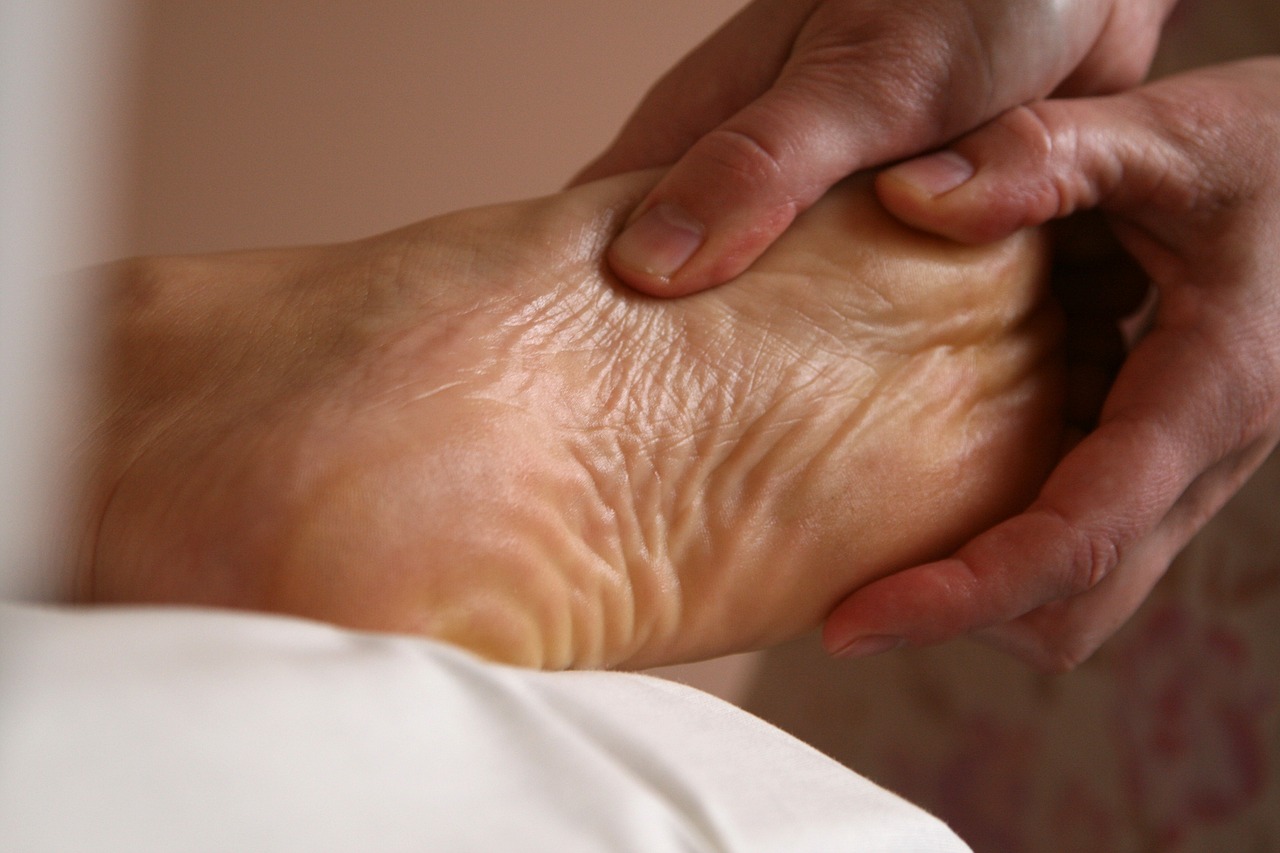
Preventing falls is a critical aspect of tips, especially in the long term. Diabetes significantly increases the risk of falls due to a combination of factors, including reduced sensitivity, nerve damage, and weakened muscles. Diabetic neuropathy can impair balance and coordination, making simple tasks like walking or climbing stairs hazardous. Foot deformities and poor blood flow contribute to a higher risk of trips and stumbles.
To mitigate these risks, a comprehensive balance management strategy is essential. Regular, structured exercise programs focused on improving balance and strength are highly effective. Activities like tai chi, yoga, and specific balance training exercises have shown significant benefits in reducing fall incidents among diabetics. Incorporating these into a daily routine can help maintain foot health and overall mobility. Special considerations for young diabetics are crucial, as they may be less aware of their changing foot needs and more prone to engaging in risky behaviors. Encouraging open conversations about foot health and providing educational resources tailored to their age group can empower them to take proactive steps.
Diabetic foot care products and tools play a supporting role in fall prevention. Orthotic insoles, for instance, can help stabilize the foot and improve balance, while moisture-wicking socks and proper footwear can reduce friction and the risk of skids. Custom insoles designed to address specific foot issues, such as arch support or toe deformities, can significantly enhance stability and comfort. Regular foot inspections and proper hygiene, as advocated by experts at find us at promoting healthy foot environment what causes diabetic foot problems, are also vital. These practices, combined with a balanced diet rich in antioxidants and essential vitamins, contribute to overall foot health and reduce the long-term risk of falls.
By implementing the key tips outlined in this article, you can significantly strengthen your stance against falls and improve your overall balance. Regular exercises focusing on stance and stability, combined with proper footwear and foot hygiene, are essential for managing risk factors associated with diabetic foot care. Long-term balance management involves consistent self-care practices and addressing underlying conditions, such as diabetic neuropathy. Remember, prevention is paramount; regular check-ups, daily foot inspections, and staying active are crucial. Integrating these strategies into your routine can help you maintain mobility and independence, ensuring a safer and more secure lifestyle.
References
- Compounding - Wikipedia — en.wikipedia.org
- Compounding and the FDA: Questions and Answers | FDA — www.fda.gov