
Calluses and corns are common foot issues, especially for people with diabetes, where proper foot care is paramount. These hard skin formations can cause discomfort, pain, and, left untreated, may lead to more severe diabetic foot complications. Understanding how to manage and prevent these conditions is crucial for maintaining foot health, a key aspect of diabetic foot care tips naturally. This article examines the causes, symptoms, and effective strategies for dealing with calluses and corns, offering valuable insights to promote better foot hygiene and overall well-being. By following evidence-based tips, individuals can take proactive steps to avoid severe issues, ensuring their feet remain healthy and comfortable.
- Understanding Diabetic Foot Calluses and Corns
- Natural Solutions for Painful Diabetic Foot Care
- Preventing and Managing Diabetic Foot Complications
Understanding Diabetic Foot Calluses and Corns

Diabetic foot calluses and corns are common issues that require specialized care and understanding. These hardened areas of skin often develop as a result of prolonged pressure and friction, which can be exacerbated by poor circulation and nerve damage associated with diabetes. Unlike typical calluses or corns, diabetic foot lesions demand extra attention due to the unique challenges posed by the disease. Recognizing the distinct characteristics of diabetic foot calluses is the first step in effective management.
The formation of calluses on the feet of diabetics can be influenced by several factors, including ill-fitting footwear, foot deformities, and peripheral neuropathy. Corns, characterized by small, hard patches of skin, often form on the tops of toes or sides of feet due to friction against shoes. Proper diabetic foot care tips naturally involve addressing these issues at their root causes. Selecting footwear with adequate space for toe splay and proper arch support can reduce friction and pressure, minimizing the risk of callus and corn development. Regular foot inspections and easy exercises to improve foot flexibility can also aid in early detection and prevention.
Understanding medical billing for feet is crucial for diabetics, especially when seeking podiatry services for callus and corn management. Many insurance plans cover foot care, but the specifics can vary greatly. By setting personal health goals focused on diabetic foot care, individuals can take proactive steps to protect their feet. This includes incorporating daily hygiene routines that prioritize foot cleanliness and ventilation, as well as implementing protective measures like wearing socks at all times. For children with diabetes, special considerations come into play. Protecting their feet from the disease involves educating them on proper foot hygiene and ensuring they wear shoes that offer both comfort and support. Find us at setting personal health goals for a comprehensive approach to managing these foot issues naturally.
Natural Solutions for Painful Diabetic Foot Care

Dealing with calluses and corns is a critical part of diabetic foot care tips naturally, as they can cause pain and discomfort, especially for those with diabetes. People with diabetes are more prone to developing these foot issues due to nerve damage and reduced blood flow. When should I see a doctor for diabetic feet diabetic foot symptoms like hard, thick skin on the soles or sides of the feet, or small, painful bumps, warrant professional attention. Left untreated, these conditions can lead to severe complications, including reducing the risk of amputation.
Natural remedies for diabetic foot ulcers offer a gentle, non-invasive approach to managing these challenges. Regular foot soaks in warm water with a mild soap can help soften calluses and corns, making them easier to remove. Using a pumice stone or a callus file gently, and only after the skin is softened, can aid in reducing the thickness of these areas. Moisturizing the feet with a good quality cream can also help prevent dryness, which is a common issue in diabetic foot care. Applying natural oils like coconut or olive oil can provide extra nourishment, especially in areas prone to calluses.
Beyond these simple treatments, maintaining a healthy diet rich in antioxidants, vitamins, and minerals is essential for diabetic foot care tips naturally. Foods high in vitamin C, like citrus fruits and bell peppers, promote circulation and wound healing. Foods rich in zinc, such as oysters and pumpkin seeds, support nerve regeneration, which can help with diabetic neuropathy. Regular exercise, suitable for your condition, can also improve blood flow and foot flexibility. Simple stretches and exercises targeting the feet can be done daily to keep them strong and healthy.
For more advanced or persistent issues, consulting a podiatrist is crucial. They can provide specialized care, offer custom orthotics, and recommend specialized foot care products. By combining natural remedies with professional guidance, individuals with diabetes can effectively manage and prevent complications from calluses and corns. Long-term management of diabetes feet involves a holistic approach, combining home care, dietary adjustments, and regular medical check-ups, to maintain foot health and reduce the risk of severe diabetic foot ulcers. Give us a call at long-term management of diabetes feet for personalized guidance tailored to your needs.
Preventing and Managing Diabetic Foot Complications
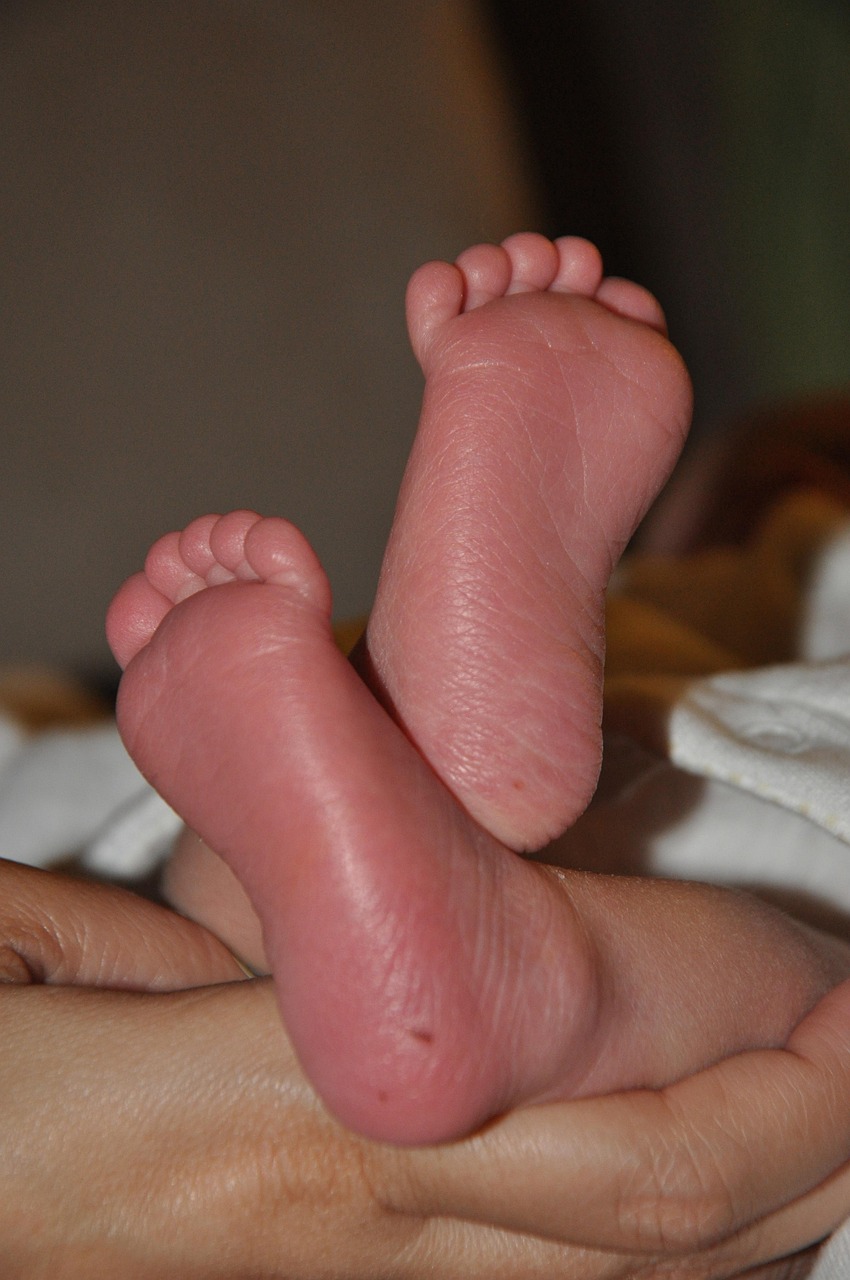
Dealing with calluses and corns is an essential part of tips, as these formations can lead to more serious complications if left unattended. Diabetics are particularly vulnerable to foot problems due to reduced sensation and poor circulation, making preventive measures crucial. Regularly inspecting your feet for any signs of abnormality, such as calluses or corns, is the first line of defense. If you notice persistent or painful areas, it's important to address them promptly.
One of the primary goals in managing diabetic foot complications is to reduce pressure and friction on sensitive areas. Calluses and corns often form due to constant rubbing or pressure, so using appropriate footwear and orthotics can significantly help. Affordable options for diabetic footwear, designed with extra depth and breathability, can provide much-needed relief. Custom insoles that align your foot correctly can prevent excessive rubbing and reduce the formation of these hard skin patches. Maintaining good foot hygiene and keeping your feet clean and dry is vital to prevent infections that might lead to ulcers.
When should you see a doctor for diabetic feet diabetic foot symptoms, such as redness, swelling, or intense pain, warrant immediate attention. Diabetic neuropathy can cause a loss of feeling, making it hard to detect these issues early. Regular podiatry visits are essential for those with diabetes to ensure proper care for calluses and corns. Podiatrists can perform debridement, a procedure to remove dead skin, and prescribe antibiotics if an infection is present. They can also offer advice on exercise routines to improve circulation and flexibility, which is crucial for resolving circulatory issues in feet and preventing further complications. By integrating these tips into your routine, you can take proactive steps towards managing your foot health effectively.
Frequently Asked Questions About Dealing with Calluses and Corns
What are calluses and corns, and how do they form? Calluses and corns are areas of thick, dead skin that develop as a result of friction or pressure. They are a common foot problem, often caused by ill-fitting shoes, excessive walking, or conditions like diabetes. Corns usually form on the tops of toes, while calluses can occur on the soles of feet, often on the heels or ball of the foot. Over time, these areas can become painful and uncomfortable.
How do I know if I have a callus or corn? You can identify calluses by their rough, thick texture and they may appear as hard patches of skin. Corns, on the other hand, are small, hard growths that often look like small stones. They can be painful to the touch or when pressed. If you're unsure, a podiatrist or healthcare professional can easily diagnose and advise on treatment.
What are the treatment options for calluses and corns? Treatment options depend on the severity. Mild cases can often be managed at home by gently filing down the skin, using over-the-counter corn and callus removers, or wearing cushioning insoles. For more persistent or painful conditions, professional treatments like chemical peels, laser therapy, or surgical removal might be recommended.
Can calluses and corns go away on their own? In some cases, yes. If the source of friction or pressure is addressed, calluses and corns may naturally reduce in size and disappear over time. However, this process can be slow, and in many instances, the skin growths will persist until the underlying issue is corrected or treated.
Are calluses and corns dangerous, especially for diabetics? Left untreated, severe or persistent calluses and corns can lead to complications, especially for diabetics. They can cause infections, ulcers, or further damage to the feet due to reduced blood flow and nerve sensitivity. Diabetics should take special care to monitor and treat these skin conditions promptly.
What can I do to prevent calluses and corns? Prevention is key. Wear well-fitting shoes, use foot padding or insoles, and reduce activities that cause friction. Regularly inspect your feet, especially if you have diabetes, and address any issues promptly. Moisturize your feet to keep skin soft and consider using orthotic devices for added support.
Dealing with calluses and corns is a critical component of tips. By understanding the causes and natural solutions, individuals with diabetes can proactively manage foot pain and prevent more serious complications. The article highlights the importance of daily hygiene, proper footwear, and targeted exercises to maintain foot health. It underscores the role of nutrition and specialized foot care products in supporting overall diabetic foot care.
Key takeaways include recognizing the signs of nerve damage, the significance of regular foot inspections, and the value of professional podiatry when necessary. By integrating these tips into their daily routines, diabetics can effectively manage foot care, reduce the risk of severe symptoms, and promote long-term foot health.
Moving forward, prioritize regular foot care as a vital part of your diabetic management strategy. Whether at home or with a healthcare professional, consistent attention to foot health can prevent many complications and ensure greater mobility and comfort.