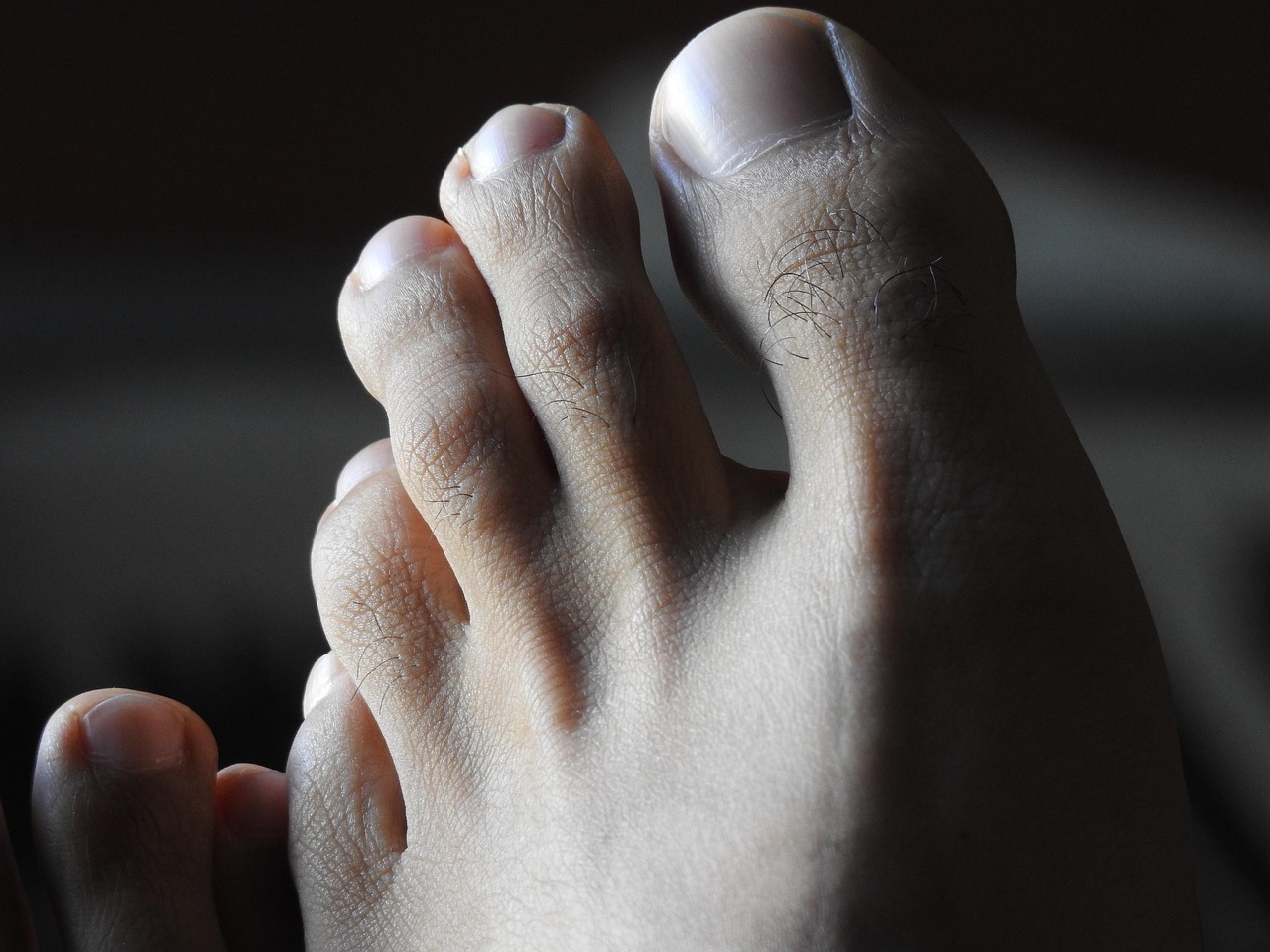
Diabetic sores, or foot ulcers, are a devastating complication for people living with diabetes, affecting their quality of life and potentially leading to amputation. The global rise in diabetes cases makes preventing these sores an urgent public health priority. Effective diabetic foot care tips naturally center on managing blood sugar levels, improving circulation, and enhancing foot hygiene. This article examines the multifaceted strategies and best practices for diabetic foot care, offering valuable insights for individuals, healthcare providers, and caregivers to minimize the risk of these debilitating sores.
- Understanding Diabetic Sores: Causes and Prevention
- Daily Care Routine: Protecting Your Diabetic Feet
- Natural Solutions: Advanced Diabetic Foot Care Tips
Understanding Diabetic Sores: Causes and Prevention

Diabetic sores, or diabetic foot ulcers, are a serious complication of diabetes, often resulting from a combination of factors: poor blood circulation, nerve damage (diabetic neuropathy), and compromised immune function. These sores can develop anywhere on the feet and legs, but they most commonly occur on the bottom of the feet, especially on the ball of the foot or the heel. The high blood sugar levels associated with diabetes can cause damage to the skin, nerves, and blood vessels, creating an environment ripe for ulcer formation.
Prevention is key for diabetic foot care tips. Regularly checking your feet for any cuts, blisters, or signs of infection is crucial. This daily check, along with easy exercises to improve foot flexibility, can help maintain blood flow and keep your feet healthy. Simple movements like flexing and extending your toes or rolling your feet can improve circulation and prevent stiffness. Adopting exercises for better circulation in feet, such as walking or swimming, can significantly enhance blood flow to the extremities.
One of the primary causes of diabetic sores is poor circulation. When blood doesn't flow properly to your feet, it can lead to a buildup of pressure and damage to the skin and tissues. This is why daily checks and regular physical activity are essential components of diabetic foot care. It's also beneficial to maintain a healthy diet, focusing on dietary tips for diabetic foot prevention. Antioxidant-rich foods, for example, can help reduce inflammation and support nerve regeneration.
Managing your diabetes and keeping your blood sugar levels in check are vital to preventing diabetic foot ulcers. Regular podiatry visits can provide expert care and guidance on managing and preventing these sores. Podiatrists can assess your foot health, offer specialized treatments, and recommend custom insoles or other orthotics to align and support your feet. By following these comprehensive tips, you can significantly reduce the risk of developing sores and maintain healthier feet.
Daily Care Routine: Protecting Your Diabetic Feet

Proper tips naturally begin with consistent, thorough checks of your feet. Regularly inspect your diabetic feet for any cuts, blisters, redness, or swelling. This is especially crucial because people with diabetes may not always feel pain due to nerve damage, making daily checks vital. Incorporate foot hygiene into your routine by gently washing and drying your feet, paying close attention to the spaces between toes. Use mild soaps and ensure your feet are thoroughly dried afterward to prevent bacterial growth.
During pregnancy, extra care is necessary as hormonal changes can affect blood circulation and nerve sensitivity. Expectant mothers with diabetes should pay close attention to any red flags, such as increased pain, tingling, or changes in foot color. If you experience any of these, consult a healthcare professional immediately. Advanced technologies, like futuristic foot monitoring devices, can also help detect early signs of issues, providing an additional layer of protection.
Affordable options for diabetic footwear are readily available, making it accessible to manage foot health effectively. Consider investing in well-fitting, breathable shoes designed specifically for diabetics. Remember, proper footwear is a key component of tips. Regular exercises focusing on foot flexibility and balance can further enhance foot health. Simple stretches and exercises can improve circulation and prevent injuries.
By integrating these daily care practices, you significantly reduce the risk of developing diabetic sores. Staying vigilant and proactive in managing your feet is crucial for long-term diabetes foot health.
Natural Solutions: Advanced Diabetic Foot Care Tips

To conventional medical interventions, there are several natural solutions for advanced tips that can significantly enhance your overall foot health. For elderly diabetics, managing feet requires a tailored approach that considers age-related changes and potential limitations. Simple daily routines, such as meticulous handwashing and foot hygiene, are foundational. Regular social distancing and ensuring adequate ventilation in living spaces can also prevent infections that might lead to foot sores.
Beyond these foundational practices, specialized footwear and orthotics designed for breathability and balance can greatly improve blood circulation in the feet. This is crucial because reduced blood flow is a primary risk factor for diabetic foot ulcers. Exercises specifically targeted at improving foot flexibility and promoting better circulation can complement these measures. Find us at exercise for better circulation in feet can include simple stretches and exercises that can be incorporated into your daily routine.
Treating existing diabetic foot infections preventing diabetic foot complications necessitates a multifaceted approach. This includes keeping the affected area clean and using antimicrobial products recommended by your healthcare provider. In some cases, debridement-the surgical removal of nonviable tissue-may be necessary. While these measures are critical, they are only part of the equation. Managing diabetes through a balanced diet rich in antioxidants and essential vitamins can also aid in healing and reducing inflammation. Vitamin C and E, along with minerals like zinc and magnesium, are known to support wound healing.
Preventing long-term complications involves consistent monitoring and regular check-ups. For diabetics, especially the elderly, daily checks for foot abnormalities and signs of nerve damage are vital. If left unaddressed, diabetic neuropathy can lead to severe foot pain and, ultimately, the need for foot surgery. Incorporating natural remedies, like specific herbal extracts or essential oils known for their anti-inflammatory properties, can complement conventional treatments. However, always consult with a healthcare provider before starting any new regimen.
Frequently Asked Questions About Preventing Diabetic Sores
What are diabetic sores? Diabetic sores, or diabetic foot ulcers, are open wounds that develop on the feet or ankles of people with diabetes. They are often caused by a combination of factors, including poor blood circulation, nerve damage, and reduced sensation in the feet. These sores can range from small cracks to large, deep lesions and can be extremely painful.
How common are diabetic sores? The risk increases with age and the duration of diabetes, with those having had the condition for over 20 years being 15 times more likely to develop a foot ulcer.
What causes diabetic sores? Several factors contribute to the development of diabetic sores. Poor blood circulation, due to diabetic neuropathy or atherosclerosis, can lead to delayed healing and infection. Nerve damage (neuropathy) reduces sensation, making it hard for individuals to feel pain or detect injuries, often resulting in delayed treatment. High blood sugar levels can weaken the immune system, increasing the risk of infection.
Who is at risk for developing diabetic sores? Individuals with diabetes, especially type 2, are at risk. Other factors include:
- Age: The risk increases with age, affecting mostly those over 60.
- Duration of diabetes: Longer-term diabetes significantly raises the risk.
- Poor blood sugar control: High blood sugar levels accelerate nerve damage and impair healing.
- Obesity: Being overweight or obese increases pressure on feet and the risk of nerve damage.
- History of foot injuries: Prior foot issues can lead to chronic inflammation and ulceration.
What are the symptoms of diabetic sores? Symptoms may include:
- A small red or purple area on the foot or ankle that deepens or expands over time.
- Pain, burning, or tingling sensations, often due to nerve damage.
- Warmth and redness around the area, indicating increased blood flow and potential infection.
- Swelling or pus, indicating a possible infection.
- Loss of feeling or numbness in the affected area.
When should I see a doctor about my feet? Consult a healthcare professional immediately if you notice:
- Any new wound, especially if it won't heal or shows signs of infection.
- Redness, swelling, or warmth that spreads up your leg.
- Pain, numbness, or tingling in your feet or toes.
- Changes in the shape or color of your feet or toes.
- Fever or chills, which could indicate a severe infection.
How can I prevent diabetic sores? Prevention is key:
- Daily Foot Checks: Inspect your feet daily for cuts, blisters, redness, or swelling.
- Foot Hygiene: Keep your feet clean and dry, and regularly inspect for dry skin and calluses.
- Wear Appropriate Shoes: Choose well-fitting, supportive shoes that protect your feet and promote good circulation.
- Manage Blood Sugar: Keep your blood sugar levels within a healthy range to prevent nerve damage and slow healing.
- Exercise: Regular, moderate exercise improves blood flow and foot health.
- Quit Smoking: Smoking narrows blood vessels, reducing blood flow and healing ability.
By consistently following a structured daily care routine and incorporating advanced tips, you can significantly reduce the risk of developing diabetic sores. This includes meticulous foot hygiene, choosing the right footwear with orthotics for balance and breathability, and managing your overall health through a balanced diet rich in antioxidants and essential vitamins.
The article highlights several key takeaways:
- Prevention is paramount: Regularly checking your feet for any signs of nerve damage, calluses, or dry skin is crucial. Daily foot inspections, along with proper hygiene, can catch issues early.
- Natural solutions have their place: While modern medical interventions like wound care and antibiotics are vital, natural remedies backed by science, such as specific dietary choices and targeted moisturizers, play a supportive role in tips.
- Special considerations for specific groups: The needs of elderly diabetics, children, and those with limited mobility demand tailored foot care routines. Podiatry and custom insoles can be essential for managing foot alignment.
Incorporating these tips naturally into your lifestyle and addressing any red flags promptly can help manage foot health effectively. Remember, proactive care can prevent severe symptoms and reduce the risk of amputation, ensuring your feet remain a source of mobility and comfort.