
Diabetes is a leading cause of foot complications, with foot injuries and infections posing significant risks to patients' overall health. Poor blood circulation and nerve damage, common in diabetics, can lead to severe foot pain and even amputation if left unaddressed. This article provides essential diabetic foot care tips, focusing on how foot massage and targeted interventions can alleviate symptoms, improve circulation, and prevent serious complications. We explore natural remedies, daily routines, and advanced treatments, empowering readers with the knowledge to take proactive steps toward managing their foot health effectively.
- Understanding Diabetic Foot Problems
- The Power of Foot Massage for Diabetics
- Natural Diabetic Foot Care Tips at Home
Understanding Diabetic Foot Problems

Diabetes significantly impacts foot health, leading to a range of complications known as diabetic foot problems. These issues arise from a combination of factors, including poor blood circulation, nerve damage (diabetic neuropathy), and reduced immune response. The long-term management of diabetes feet is crucial to prevent severe consequences, such as amputation. Recognizing the early signs and implementing effective diabetic foot care tips is vital for every diabetic individual.
This nerve damage can cause tingling, numbness, or pain in the feet and legs. As the condition progresses, it may lead to a loss of sensation, making it difficult to detect injuries, which can then become infected. Educating children on foot hygiene is essential, as it's never too early to instill good habits. Teaching them to inspect their feet daily and report any changes can help catch issues early.
Setting personal health goals related to foot care is a powerful step. This includes daily checks for any cuts, blisters, or redness, as well as keeping feet clean and dry. Using the right footwear and orthotics, which promote balance and breathability, is another critical aspect of diabetic foot care. Regular exercise, tailored to improve foot flexibility and blood circulation, is also beneficial. By incorporating these practices into their daily routines, diabetics can significantly reduce the risk of developing severe foot problems, including those that may require surgical intervention.
Remember, the long-term management of diabetes feet involves a multifaceted approach. It's not just about addressing symptoms; it's about proactively reducing the risk of complications. Visit us at reducing risk of amputation to learn more about advanced care options and how to create a comprehensive diabetic foot care plan that suits your needs and supports your overall health goals.
The Power of Foot Massage for Diabetics

The power of foot massage for diabetics lies in its ability to improve circulation, reduce nerve pain, and enhance overall foot health. For diabetics, who often struggle with poor blood flow and nerve damage, regular foot massage can be a major improvement. This simple yet effective practice offers a natural way to manage symptoms and prevent complications associated with diabetic foot care. By increasing blood flow, foot massage helps deliver essential nutrients and oxygen to the feet, promoting healing and reducing the risk of ulcers.
Massaging the feet also has a profound effect on mental well-being. For many diabetics, foot pain and discomfort can be constant and debilitating. Foot massage provides a moment of relief, relaxing tense muscles and calming the mind. This not only improves quality of life but also encourages a proactive approach to diabetic foot care. Diabetics can take control of their health by incorporating regular self-care practices, such as daily foot inspections and gentle massage, into their routines.
While the benefits are clear, it's essential to approach foot massage as a complementary therapy alongside professional care. Government assistance for diabetic foot care latest advancements in diabetic foot treatment, such as innovative therapies like growth factor treatments and advanced wound care, play a crucial role in managing severe cases. How to prevent diabetic foot ulcers is not just about avoiding the development of open sores; it involves a comprehensive approach that includes foot massage, proper footwear, and regular medical monitoring. Combining natural remedies, like foot massage, with advanced treatments can lead to more effective diabetic foot care and improved outcomes.
Incorporating foot massage into your daily routine is a simple yet powerful step toward managing diabetes and promoting foot health. Remember, daily foot care, including regular inspections and gentle massage, can be a lifesaver, helping to prevent serious complications and ensuring comfortable, healthy feet. Find us at tips for daily foot inspection for guidance on integrating this practice into your routine.
Natural Diabetic Foot Care Tips at Home
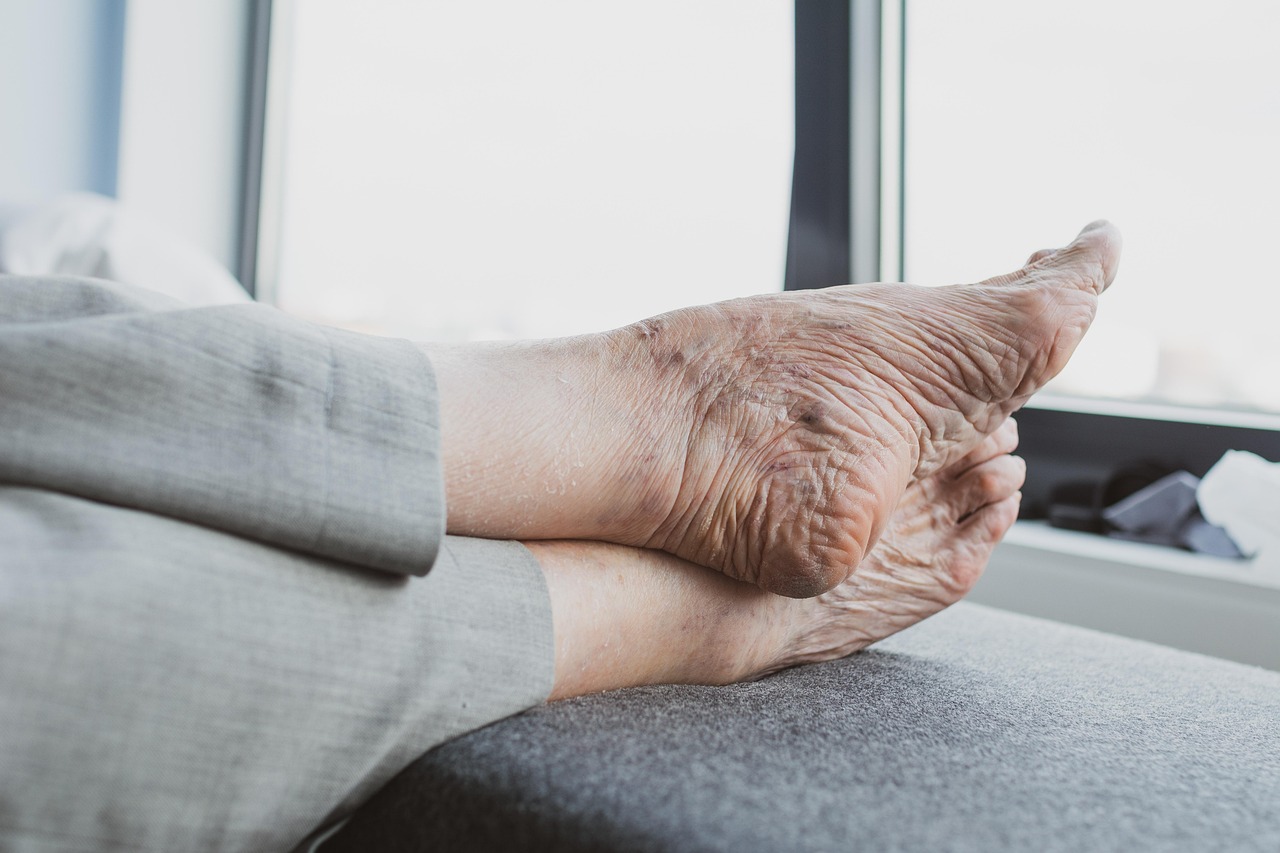
Diabetic foot care tips naturally at home can be a powerful tool in managing this chronic condition. By implementing simple, daily practices, individuals with diabetes can significantly reduce the risk of complications, such as nerve damage and foot ulcers, which are among the most serious complications of the disease. The long-term effects of high blood sugar on feet can be severe, so proactive measures are crucial.
A key aspect of diabetic foot care is maintaining proper hygiene. Regular handwashing and ensuring good ventilation in living spaces are essential to prevent infections. For foot care, a gentle but thorough cleaning routine is vital. Use mild, fragrance-free soaps and warm water to avoid drying out the skin, which can lead to cracks and increases the risk of infections. After cleaning, thoroughly dry the feet, especially between the toes, as moisture can foster bacterial growth.
Creating a daily routine focused on foot health is another effective strategy. This includes not only basic hygiene but also activities that promote blood flow and circulation. Regular foot massages can improve circulation and help relax the muscles in the feet and legs. Simple exercises aimed at enhancing foot flexibility can be incorporated into this routine. Investing in comfortable and properly fitted footwear is essential. Orthotic inserts or custom-made insoles can provide added support, improve balance, and reduce pressure points, thereby protecting childrens feet from diabetes and preventing further complications.
Long-term effects of high blood sugar on feet necessitate a comprehensive approach to diabetic foot care. It's important to stay informed about the latest advancements in treatment and management. Innovative therapies for ulcers and futuristic technologies for foot monitoring are continually being developed. By staying current, individuals can access the best practices and products available. Understanding the common misconceptions about diabetic foot care can help dispel fears and encourage a proactive attitude. Find us at common misconceptions about diabetic foot care can offer valuable insights into what does not cause foot problems, allowing for a more effective prevention strategy. Remember, protecting childrens feet from diabetes diabetic foot care and insurance coverage is not just about treating symptoms; it's about long-term, holistic foot care.
Frequently Asked Questions About Foot Massage for Diabetes
What is the connection between diabetes and foot health? Diabetes can cause nerve damage and poor circulation, leading to various foot health issues. High blood sugar levels over time can result in nerve numbness or weakness in the feet and legs, making it difficult to detect injuries or changes in temperature. Poor blood flow impairs the body's ability to heal wounds, increasing the risk of infections and complications. Regular foot care, including massage, is crucial to managing these risks and maintaining overall foot health.
How can foot massage help diabetic patients? Foot massage is a beneficial complementary therapy for diabetics, promoting better blood circulation and stimulating nerve endings. It can help reduce foot pain, improve flexibility, and ease tension in the muscles and tendons. By increasing blood flow, massage aids in the healing process and promotes the removal of metabolic waste products. Massage can reduce stress and relax the mind, contributing to better overall health.
Is foot massage safe for diabetics? When performed by a qualified and experienced practitioner, foot massage is generally safe for diabetics. However, it's essential to consider a few factors. Diabetics with severe nerve damage or poor circulation should consult their healthcare provider first. It's crucial to avoid massage in areas with open sores or injuries. The practitioner should use gentle, circular motions and warm, dry hands to ensure comfort and prevent further complications.
How often should a diabetic get a foot massage? The frequency of foot massages depends on individual needs and health goals. As a general guideline, diabetics can benefit from regular sessions, ideally once or twice a week. Consistent, gentle massage can help maintain foot health and prevent complications. However, it's essential not to overdo it, as excessive massage might cause temporary discomfort or bruising.
Can foot massage help with diabetic foot ulcers? Foot massage can be a valuable adjunctive treatment for diabetic foot ulcers. Improved blood circulation facilitates the delivery of nutrients and oxygen to the affected area, aiding in the healing process. Massage also helps reduce pressure and friction on the ulcer, providing relief and potentially speeding up healing. However, it's crucial to consult a healthcare professional before using massage as a primary treatment for ulcers.
What are the best practices for diabetic foot massage at home? At-home foot massage for diabetics should be performed gently and with caution. Use warm (not hot) water and a mild, fragrance-free lotion to moisturize the feet. Start with gentle, circular motions and avoid pressing too hard. Focus on the balls of the feet, heels, and arch. You can also use a foam roller or foot massager designed for diabetics. Always inspect your feet for any cuts or injuries before and after massage.
Are there any red flags that indicate a diabetic should avoid foot massage? Diabetics should avoid foot massage if they have active foot ulcers, severe nerve damage (neuropathy) with loss of sensation, or poor blood circulation. If you experience persistent pain, numbness, or tingling during or after massage, stop and consult your healthcare provider. It's essential to listen to your body and not push through discomfort, as this could lead to further complications.
Understanding the impact of diabetes on the feet is crucial for anyone at risk. By integrating foot massage into your tips, you can promote better blood circulation, alleviate tension, and reduce the risk of severe complications. Combining this with a regimen of natural tips at home-such as meticulous hygiene, balanced nutrition, and suitable footwear-empowers you to take charge of your foot health. Regular self-examinations, along with seeking professional podiatry care when needed, are key to early detection and management of any issues. Adopting these practices allows you to maintain your foot health, prevent ulcers, and improve your overall quality of life. Tips naturally should be an integral part of your daily routine, offering both short-term relief and long-term protection.
References
- TRAVEL ADVISORY - Spain - U.S. Embassy & Consulate in Spain ... — es.usembassy.gov
- Spain Travel Advisory | Travel.State.gov — travel.state.gov